
The best way to prepare for walking the Camino de Santiago is to plan a route that suits your abilities, get comfortable walking for several hours, choose reliable footwear, and organise the practical details before you leave. You don’t need to be an experienced hiker or an athlete. With realistic daily stages and the right preparation, you can enjoy the Camino at your own pace.
Whether you’re planning your first pilgrimage or returning to the Camino, these are the essentials to consider before setting off.
1. Choose a Camino route that suits you
Your preparation starts with choosing the right Camino. Consider how much time you have, your current fitness level, the type of scenery you enjoy, and how challenging you want each day to be.
Popular options include the Camino Francés, known for its established pilgrim infrastructure and varied landscapes, and the Camino Portugués, which offers coastal and inland itineraries depending on the route you choose.
Think about your daily walking distance, too. Many Camino itineraries include stages of around 15–25 km, but shorter stages can make the experience more comfortable, particularly if you’re new to long-distance walking.
The best Camino isn’t necessarily the longest or most challenging. It’s the one that allows you to enjoy the journey.
2. Prepare your body for consecutive walking days
You don’t need to reach peak fitness before the Camino, but building your walking endurance will help you manage the daily stages more comfortably.
Start with walks that fit your current ability and gradually increase the distance. If possible, practise walking on consecutive days to understand how your body recovers. Hills, uneven paths and carrying a daypack can also help you prepare for the conditions you’ll encounter.
Don’t leave all your training until the final weeks. A gradual approach is more useful than attempting a long, exhausting walk just before departure.
For a more detailed training schedule, read our guide to how to train for the Camino de Santiago.
3. Get your footwear and packing right
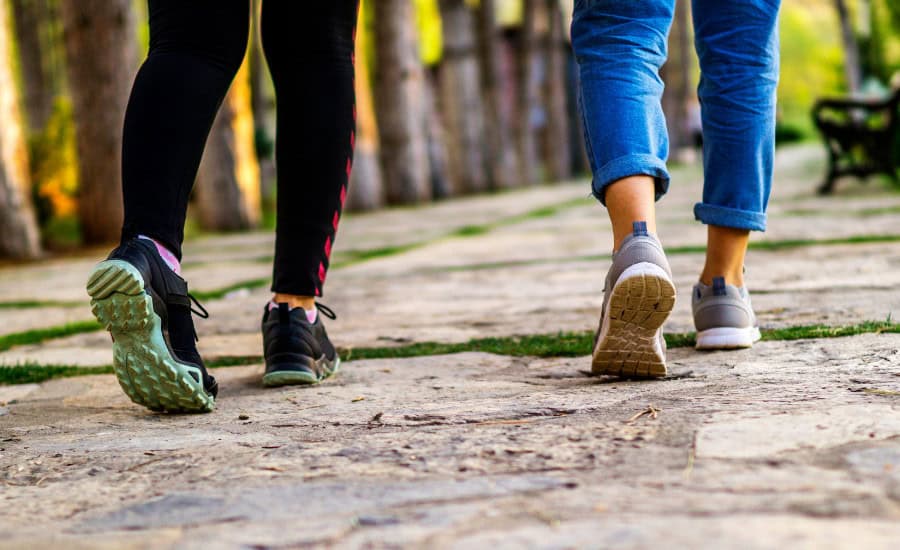
Comfortable footwear can make a significant difference over several days of walking. Choose shoes that fit well, suit your route and feel comfortable over longer distances. Hiking shoes, trail-running shoes and hiking boots can all be suitable, depending on the terrain, weather and your preferences.
Wear your chosen footwear on training walks before departure. Use this opportunity to test your socks, identify areas of friction and find out what works for your feet.
Packing light is equally important. Bring weather-appropriate clothing, rain protection, sun protection, a reusable water bottle and a small first-aid kit. Avoid carrying items you are unlikely to use.
Many pilgrims choose not to carry their main luggage between stages, and use a luggage transfer service instead. Carrying only what you need during the day can make the walk more comfortable.

4. Plan your stages, accommodation and logistics
A little planning before departure gives you more freedom to enjoy the Camino once you’re there.
Decide how many days you can spend walking, review the terrain and elevation of your planned stages, and consider when you’ll travel. Weather conditions, daylight hours and seasonal demand can all affect your experience.
Think about where you’d like to stay each night and how much flexibility you want. Some pilgrims enjoy deciding where to sleep as they go; others prefer knowing their accommodation is arranged in advance.
You’ll also need to organise transport to your starting point, your return journey and any luggage transfer or additional support you want along the way.
The right level of planning depends on your travel style. You can keep things simple while still making sure the essentials are covered.
5. Prepare to enjoy the journey, not just reach Santiago
The Camino is more than a physical challenge. It’s an opportunity to experience new places, meet other pilgrims and enjoy a different rhythm of life.
Allow time for breaks, meals and exploring the villages you pass through. Eat regularly, drink water throughout the day and give yourself enough time to rest between stages.
Be prepared to adapt your plans, too. Some days will feel easier than others, and that’s perfectly normal. If you need a shorter stage or an extra rest, adjusting your itinerary is often a better choice than pushing through worsening pain or exhaustion.
Most importantly, resist the temptation to compare your progress with other pilgrims. Your Camino is your own.

Camino preparation checklist
Before you leave, make sure you’ve considered the following:
- I’ve chosen a route and daily distances that suit my abilities.
- I’ve built up my walking endurance gradually.
- My shoes and socks are comfortable and tested.
- I’ve packed light and prepared for the expected weather.
- I’ve planned my accommodation and transport.
- I’ve arranged luggage transfers if needed.
- I’ve allowed time for rest and flexibility.
You don’t need to plan every moment. You just need to feel confident about the essentials.
Ready to plan your Camino?
Preparing for the Camino doesn’t have to be complicated. Start walking, choose an itinerary that feels right for you, and organise the practical details that will help you travel with confidence.
At Follow the Camino, we help pilgrims plan their journeys with routes, accommodation and practical support tailored to their needs. Whether you’re looking for a more independent adventure or a more comfortable, organised experience, we’re here to help you find the right Camino.
Explore our Camino routes and start planning your journey to Santiago.