...

Full Via de la Plata Cycling

Starting from

€4150

Cycling the Via de la Plata is a fantastic way to experience one of Spain’s oldest pilgrimage routes. Covering more than 900 km, this Camino begins in sunny Seville and makes its way north all the way to Santiago de Compostela, the traditional end point of the Camino de Santiago.

The route has its origins in Roman times, when it served as an important trade road connecting the south of Spain with the north. Over the centuries, pilgrims began to travel along it on their way to Santiago, and today it remains one of the great historic routes of the Camino.

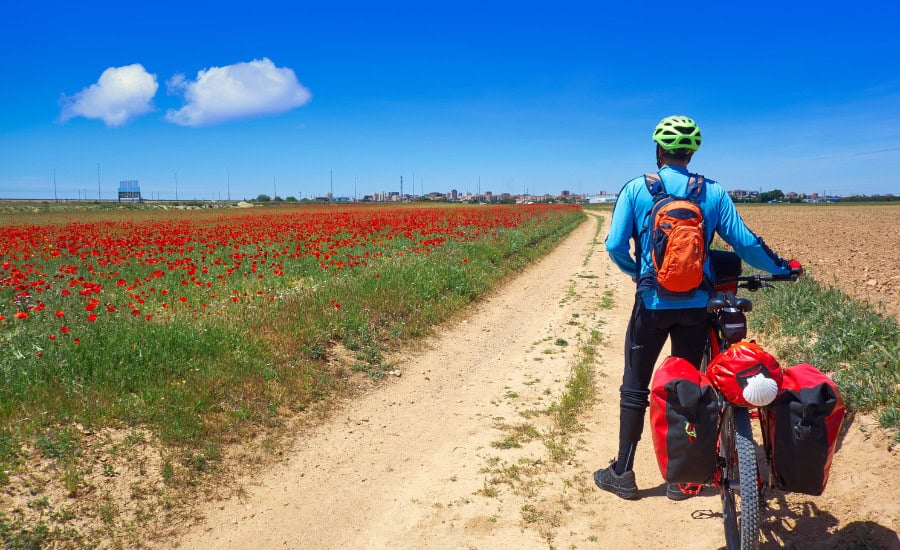
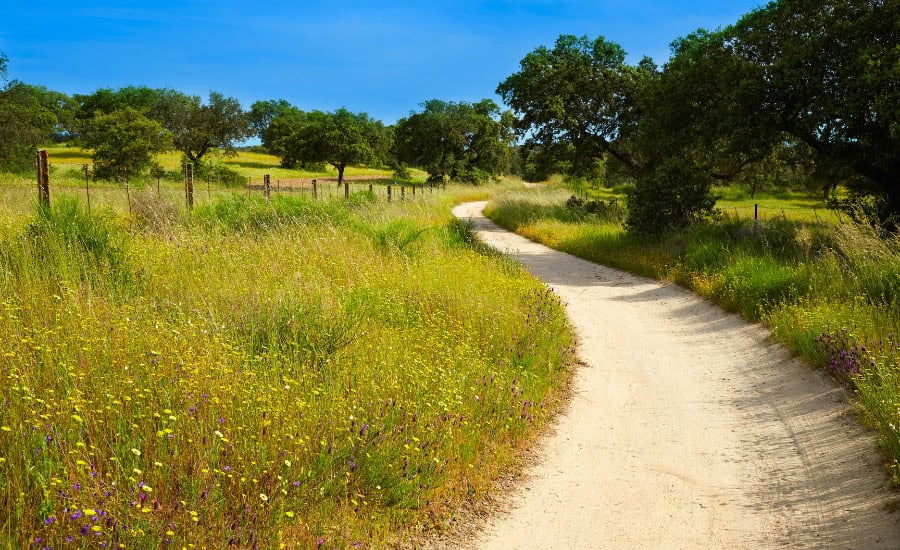
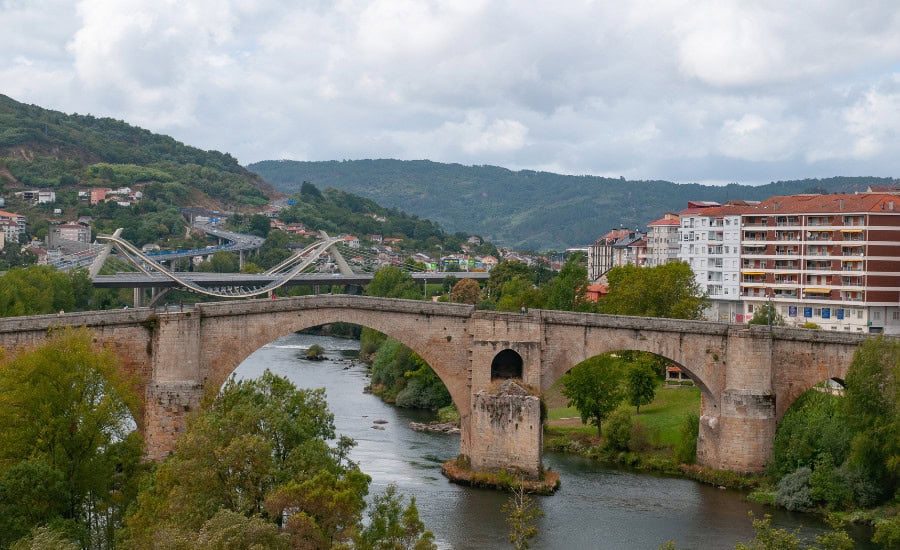
Travelling the Via de la Plata by bike gives you a completely different view of Spain. You’ll ride through open countryside, quiet villages, rolling hills and historic towns, enjoying a mix of landscapes and cultures that change as you go. Roman ruins, medieval bridges, old fortresses and impressive churches are just some of the highlights along the way.


Cycling the Via de la Plata is a fantastic way to experience one of Spain’s oldest pilgrimage routes. Covering more than 900 km, this Camino begins in sunny Seville and makes its way north all the way to Santiago de Compostela, the traditional end point of the Camino de Santiago.

The route has its origins in Roman times, when it served as an important trade road connecting the south of Spain with the north. Over the centuries, pilgrims began to travel along it on their way to Santiago, and today it remains one of the great historic routes of the Camino.

Travelling the Via de la Plata by bike gives you a completely different view of Spain. You’ll ride through open countryside, quiet villages, rolling hills and historic towns, enjoying a mix of landscapes and cultures that change as you go. Roman ruins, medieval bridges, old fortresses and impressive churches are just some of the highlights along the way.

 

Stage 1 of 1

978km

17 days

Comfort

Moderate plus

Popular time

N/A

Starting from

€4150

Starting from

€4150

Route Summary

Stage 1 of 1

978km

17 days

Comfort

Popular time

N/A

Best time to go:

Jan
Feb
Mar
Apr
May
Jun
Jul
Aug
Sep
Oct
Nov
Dec
Popular Time
Good Time
Off/Low Season
Not Possible

Moderate plus

Overall

Distance:

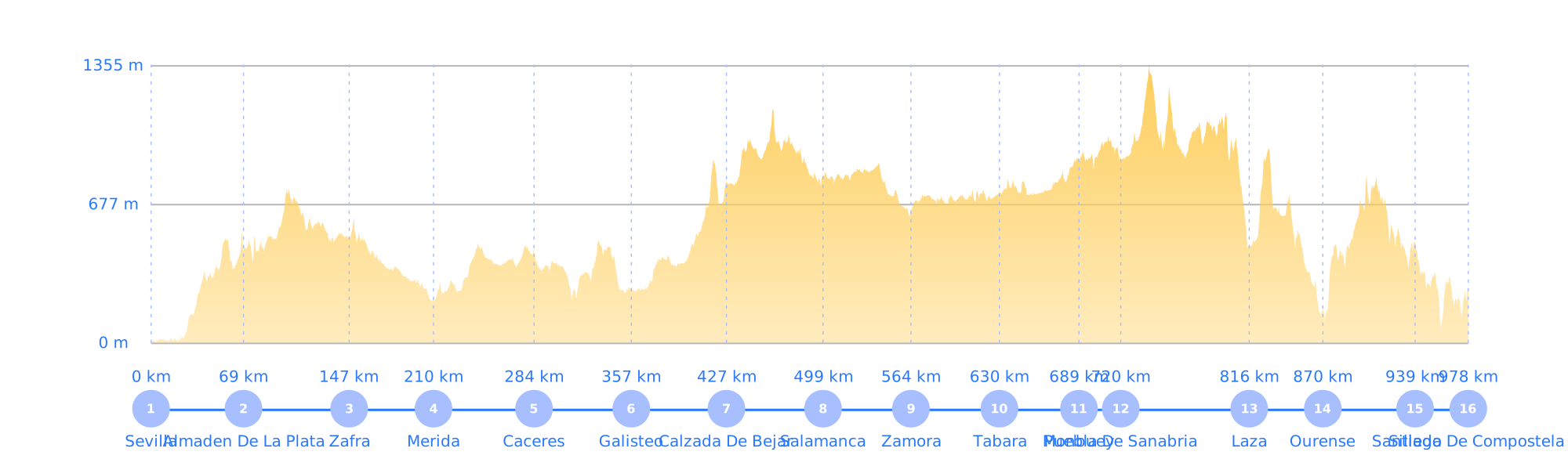
31 min | 35.3km average | 39.5 max

Ascent:

474.9 min | 676.8m average | 878.7 max

Cardio:

4   4.5   5

Follow the Camino Preview Map Trip 1064

View the popular times to visit this route

Jan
Feb
Mar
Apr
May
Jun
Jul
Aug
Sep
Oct
Nov
Dec
Popular Time
Good Time
Off/Low Season
Not Possible

Overall

Distance:

31 min | 35.3km average | 39.5 max

Ascent:

474.9 min | 676.8m average | 878.7 max

Cardio:

4   4.5   5

Follow the Camino Preview Map Trip 1064

Highlights

Historical and Architectural Gems

Historical and Architectural Gems

The Via de la Plata is full of architectural marvels that sum up Spain’s rich history. For example, as you pass through the city of Mérida, you’ll encounter a treasure trove of well-preserved Roman ruins, including the Roman Theatre, the impressive Aqueduct of Los Milagros, and the Temple of Diana. The city of Cáceres is a UNESCO World Heritage site, known for its exceptionally well-preserved mediaeval architecture. Salamanca, as another example, boasts one of Europe’s oldest and most prestigious universities and is famous for its golden sandstone buildings.

Natural Wonders

The Silver Way, beginning in Andalucia and crossing the Iberian Peninsula, is a cross section of all the cultures which have come to combine to form the Spanish national identity. In the south, as you embark from Sevilla, you will see the region’s Islamic past come to life. As you move through the middle of the country along arid plains, you will see Portuguese and Spanish cultures mixing more so than anywhere else in Spain. Lastly, as you arrive in Galica and approach Santiago de Compostela, you will see the region’s Celtic influences in statues, architecture, and the way of life.

Melting Pot of Cultures

Melting Pot of Cultures

The Silver Way, beginning in Andalucia and crossing the Iberian Peninsula, is a cross section of all the cultures which have come to combine to form the Spanish national identity. In the south, as you embark from Sevilla, you will see the region’s Islamic past come to life. As you move through the middle of the country along arid plains, you will see Portuguese and Spanish cultures mixing more so than anywhere else in Spain. Lastly, as you arrive in Galica and approach Santiago de Compostela, you will see the region’s Celtic influences in statues, architecture, and the way of life.

Historical and Architectural Gems

Historical and Architectural Gems

The Via de la Plata is full of architectural marvels that sum up Spain’s rich history. For example, as you pass through the city of Mérida, you’ll encounter a treasure trove of well-preserved Roman ruins, including the Roman Theatre, the impressive Aqueduct of Los Milagros, and the Temple of Diana. The city of Cáceres is a UNESCO World Heritage site, known for its exceptionally well-preserved mediaeval architecture. Salamanca, as another example, boasts one of Europe’s oldest and most prestigious universities and is famous for its golden sandstone buildings.

Natural Wonders

The Silver Way, beginning in Andalucia and crossing the Iberian Peninsula, is a cross section of all the cultures which have come to combine to form the Spanish national identity. In the south, as you embark from Sevilla, you will see the region’s Islamic past come to life. As you move through the middle of the country along arid plains, you will see Portuguese and Spanish cultures mixing more so than anywhere else in Spain. Lastly, as you arrive in Galica and approach Santiago de Compostela, you will see the region’s Celtic influences in statues, architecture, and the way of life.

Melting Pot of Cultures

Melting Pot of Cultures

The Silver Way, beginning in Andalucia and crossing the Iberian Peninsula, is a cross section of all the cultures which have come to combine to form the Spanish national identity. In the south, as you embark from Sevilla, you will see the region’s Islamic past come to life. As you move through the middle of the country along arid plains, you will see Portuguese and Spanish cultures mixing more so than anywhere else in Spain. Lastly, as you arrive in Galica and approach Santiago de Compostela, you will see the region’s Celtic influences in statues, architecture, and the way of life.

Start Planning Now !

SEVILLA

SANTIAGO DE COMPOSTELA

Starting from € 4150
Number of People
Person Icon
Your Contact Details
Please fill the required fields

Services

Included in this package

Specially Hand-Picked Accommodations

Bed & Breakfast

Luggage Transfers from Hotel to Hotel

Mountain Bike (or E-bike on request for an extra cost)

Bike Breakdown Insurance

Repair Kit

24/7 On-Call Support

Our Holiday or Pilgrim Pack

Add-On

Premium Accommodation

Airport Pick-Up

Additional Nights

Dinners

Day Tours to Local Sites of Interest

Not included: Flights/trains, Insurance, Drinks/Lunch

If you are interested in a Free Walking Tour of Seville before you start your Camino, explore the culture of the city with an expert local guide through our Walking Partner, GuruWalk.  

Itinerary

Day

1

km

SEVILLA

Capital city of Andalucia, Sevilla appeals to visitors with its rich architectural heritage, its year-round sunny weather, and incredible cultural atmosphere. Among the city’s main attractions, don’t miss the massive Gothic UNESCO World Heritage-listed cathedral, the Alcazar and , of course, the impressive Plaza de Espana.

Day

2

68.65 km

SEVILLA ALMADEN DE LA PLATA

Cycle through olive groves and rolling countryside as you leave the city behind. The route takes you into the Sierra Norte, where you’ll spend the night in the peaceful village of Almadén de la Plata.

Day

3

78.49 km

ALMADEN DE LA PLATA ZAFRA

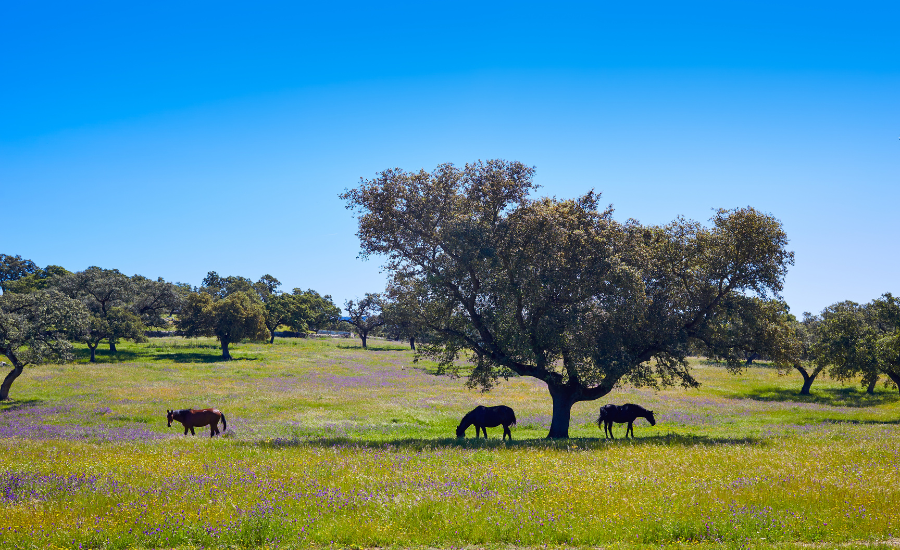
Ride through traditional Andalusian landscapes dotted with cork oaks and whitewashed villages. Arrive in Zafra, known as “Little Seville,” with its charming squares and castle.

Day

4

62.63 km

ZAFRA MERIDA

Enjoy a scenic ride through gentle farmland towards Mérida. Discover its impressive Roman heritage, including the amphitheatre and Temple of Diana.

Day

5

74.64 km

MERIDA CACERES

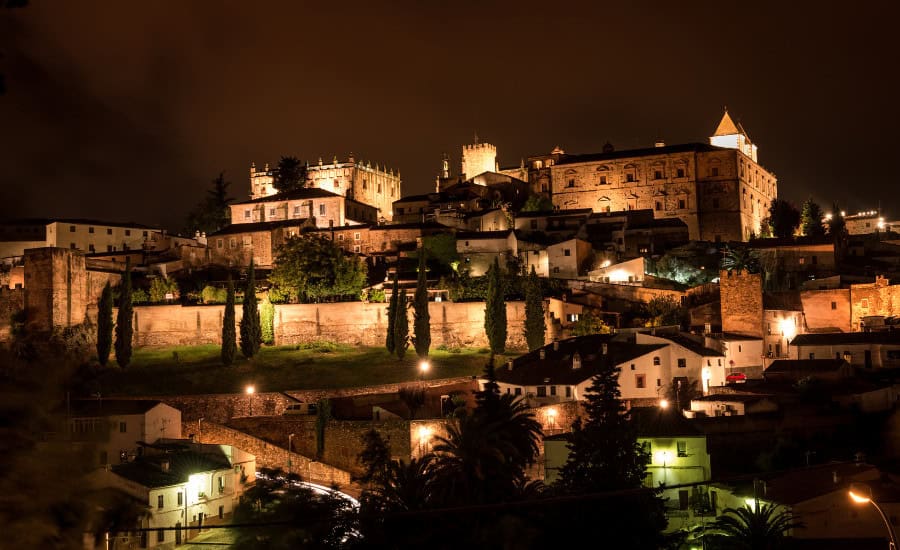
Today’s route crosses open plains and small towns before reaching Cáceres, a UNESCO World Heritage Site. Stroll through its beautifully preserved medieval quarter.

Day

6

72.29 km

CACERES GALISTEO

Cycle through peaceful Extremaduran countryside and traditional stone villages. End the day in Galisteo, famous for its circular walls built from river stones.

Day

7

70.62 km

GALISTEO CALZADA DE BEJAR

The landscape changes as you approach the foothills of the Sierra de Béjar. Enjoy quiet rural roads surrounded by oak forests and pastures.

Day

8

71.76 km

CALZADA DE BEJAR SALAMANCA

Pedal through charming hamlets and open countryside before reaching Salamanca. Take time to explore its grand Plaza Mayor and historic university.

Day

9

65.27 km

SALAMANCA ZAMORA

Follow peaceful backroads through farmland and along the River Tormes. Arrive in Zamora, known for its Romanesque architecture and castle views.

Day

10

65.73 km

ZAMORA TABARA

Ride through vineyards and tranquil rural landscapes to reach the small town of Tábara. Relax and enjoy the slower pace of this Castilian village.

Day

11

59.09 km

TABARA MONBUEY

Cycle through gentle hills and quiet country roads surrounded by meadows. Mombuey welcomes you with its medieval church and traditional charm.

Day

12

31 km

MONBUEY PUEBLA DE SANABRIA

As we leave Mombuey, the Camino heads to more open countryside (even though there are still many poplar and oak trees to provide us with shade). When passing the village of San Salvador de Palazuelos, you can climb up the bell tower of Iglesia de Santiago to enjoy magnificent views over the surrounding landscape. We then cross Rio Tera one last time.

Day

13

95 km

PUEBLA DE SANABRIA LAZA

Enter Galicia as the terrain becomes greener and more mountainous. Enjoy sweeping views before reaching the peaceful village of Laza.

Day

14

55 km

LAZA OURENSE

Descend through lush valleys and forests on your way to Ourense. Treat yourself to its famous hot springs and local cuisine.

Day

15

68.54 km

OURENSE SILLEDA

Cycle through vineyards, rolling hills, and small hamlets. Silleda is a lively market town, ideal for a relaxing evening before your final stage.

Day

16

39.5 km

SILLEDA SANTIAGO DE COMPOSTELA

Your last cycling day takes you through beautiful Galician countryside to Santiago de Compostela. Celebrate your arrival at the magnificent Cathedral — the end of your incredible Via de la Plata adventure.

Day

17

km

SANTIAGO DE COMPOSTELA

After breakfast, we bid you farewell.
If you wish to stay in the area, we recommend that you:
– Take your time and visit the magnificent historic centre of Santiago.
– Continue with us along the wild Camino Fisterra (Finisterre Way), and stay overnight at the hotel in the lighthouse!
– Or take a bus to Fisterra to visit the unspoilt sandy coves and beaches of the west coast. With very few tourists, you are guaranteed a very special experience. Buses depart from Santiago Bus Station at 9am and 10am. Buses return to Santiago at 4:45pm and 7pm. The journey takes 3 hours.

Day

1

km

SEVILLA

Capital city of Andalucia, Sevilla appeals to visitors with its rich architectural heritage, its year-round sunny weather, and incredible cultural atmosphere. Among the city’s main attractions, don’t miss the massive Gothic UNESCO World Heritage-listed cathedral, the Alcazar and , of course, the impressive Plaza de Espana.

Day

2

68.65 km

SEVILLA ALMADEN DE LA PLATA

Cycle through olive groves and rolling countryside as you leave the city behind. The route takes you into the Sierra Norte, where you’ll spend the night in the peaceful village of Almadén de la Plata.

Day

3

78.49 km

ALMADEN DE LA PLATA ZAFRA

Ride through traditional Andalusian landscapes dotted with cork oaks and whitewashed villages. Arrive in Zafra, known as “Little Seville,” with its charming squares and castle.

Day

4

62.63 km

ZAFRA MERIDA

Enjoy a scenic ride through gentle farmland towards Mérida. Discover its impressive Roman heritage, including the amphitheatre and Temple of Diana.

Day

5

74.64 km

MERIDA CACERES

Today’s route crosses open plains and small towns before reaching Cáceres, a UNESCO World Heritage Site. Stroll through its beautifully preserved medieval quarter.

Day

6

72.29 km

CACERES GALISTEO

Cycle through peaceful Extremaduran countryside and traditional stone villages. End the day in Galisteo, famous for its circular walls built from river stones.

Day

7

70.62 km

GALISTEO CALZADA DE BEJAR

The landscape changes as you approach the foothills of the Sierra de Béjar. Enjoy quiet rural roads surrounded by oak forests and pastures.

Day

8

71.76 km

CALZADA DE BEJAR SALAMANCA

Pedal through charming hamlets and open countryside before reaching Salamanca. Take time to explore its grand Plaza Mayor and historic university.

Day

9

65.27 km

SALAMANCA ZAMORA

Follow peaceful backroads through farmland and along the River Tormes. Arrive in Zamora, known for its Romanesque architecture and castle views.

Day

10

65.73 km

ZAMORA TABARA

Ride through vineyards and tranquil rural landscapes to reach the small town of Tábara. Relax and enjoy the slower pace of this Castilian village.

Day

11

59.09 km

TABARA MONBUEY

Cycle through gentle hills and quiet country roads surrounded by meadows. Mombuey welcomes you with its medieval church and traditional charm.

Day

12

31 km

MONBUEY PUEBLA DE SANABRIA

As we leave Mombuey, the Camino heads to more open countryside (even though there are still many poplar and oak trees to provide us with shade). When passing the village of San Salvador de Palazuelos, you can climb up the bell tower of Iglesia de Santiago to enjoy magnificent views over the surrounding landscape. We then cross Rio Tera one last time.

Day

13

95 km

PUEBLA DE SANABRIA LAZA

Enter Galicia as the terrain becomes greener and more mountainous. Enjoy sweeping views before reaching the peaceful village of Laza.

Day

14

55 km

LAZA OURENSE

Descend through lush valleys and forests on your way to Ourense. Treat yourself to its famous hot springs and local cuisine.

Day

15

68.54 km

OURENSE SILLEDA

Cycle through vineyards, rolling hills, and small hamlets. Silleda is a lively market town, ideal for a relaxing evening before your final stage.

Day

16

39.5 km

SILLEDA SANTIAGO DE COMPOSTELA

Your last cycling day takes you through beautiful Galician countryside to Santiago de Compostela. Celebrate your arrival at the magnificent Cathedral — the end of your incredible Via de la Plata adventure.

Day

17

km

SANTIAGO DE COMPOSTELA

After breakfast, we bid you farewell.
If you wish to stay in the area, we recommend that you:
– Take your time and visit the magnificent historic centre of Santiago.
– Continue with us along the wild Camino Fisterra (Finisterre Way), and stay overnight at the hotel in the lighthouse!
– Or take a bus to Fisterra to visit the unspoilt sandy coves and beaches of the west coast. With very few tourists, you are guaranteed a very special experience. Buses depart from Santiago Bus Station at 9am and 10am. Buses return to Santiago at 4:45pm and 7pm. The journey takes 3 hours.

How to Get There

Getting to Seville, Spain

It is best to fly to Seville to start the Via de la Plata Camino.

Fly into Seville

Iberia/BAVueling and Ryanair fly to Seville, amongst many other international airlines. Ryanair flies from Dublin, London, Liverpool and Bristol. Iberia/BA also flies from Dublin and the UK. From Seville Airport, there is a regular shuttle bus (Aeropuerto Especial) to Seville city centre.  

    Getting home from Santiago de Compostela, Spain

    Fly from Santiago de Compostela

    Shuttle buses from Santiago city centre to the airport depart every 20 minutes.  

      Getting to Seville, Spain

      It is best to fly to Seville to start the Via de la Plata Camino.

      Fly into Seville

      Iberia/BAVueling and Ryanair fly to Seville, amongst many other international airlines. Ryanair flies from Dublin, London, Liverpool and Bristol. Iberia/BA also flies from Dublin and the UK. From Seville Airport, there is a regular shuttle bus (Aeropuerto Especial) to Seville city centre.  

        Getting home from Santiago de Compostela, Spain

        Fly from Santiago de Compostela

        Shuttle buses from Santiago city centre to the airport depart every 20 minutes.  

          Frequently Asked Questions

          How long is the Full Via de la Plata Cycle Route and how many days does it take?
          The Full Via de la Plata Cycle Route follows the historic path from Sevilla to Santiago de Compostela, covering roughly 1,000 km. Most cyclists complete it in 14 to 18 days, depending on fitness and chosen daily distances. With Follow the Camino, your cycling itinerary includes pre-booked accommodation, breakfasts, GPX files/route notes, and luggage transfers, so you can enjoy the route without carrying heavy bags.
          What is the terrain like for cyclists on the Via de la Plata?
          Terrain varies significantly along this long-distance route. Expect a mix of:
          • Quiet country roads
          • Gravel tracks and farm roads
          • Rolling hills, especially in Extremadura
          • Mountainous climbs when approaching Galicia
          Cyclists experience a good variety of landscapes, and the route is fully rideable with a touring or gravel bike. The section into Galicia features steeper ascents but spectacular scenery.
          Is the Via de la Plata suitable for intermediate cyclists?
          Yes — this route is ideal for intermediate cyclists with some long-distance experience. What makes it manageable is luggage transfer, comfortable accommodation, and the ability to adapt daily distances. The Via de la Plata is remote in parts, so cyclists should be comfortable with longer days and steady elevation changes, especially toward the final stages.
          When is the best time to cycle the Via de la Plata?
          The best time to cycle is April to June and September to October, when temperatures are comfortable for long days in the saddle. These periods avoid Andalucía’s summer heat while still offering great weather in the northern regions. For climate patterns across the entire route, you can check our Camino Weather Map.
          What should I pack for the Full Via de la Plata cycle?
          For cycling this long route, pack:
          • Breathable cycling clothing for hot, exposed stretches
          • A light waterproof jacket
          • Padded cycling shorts
          • Gloves and sunglasses
          • A reusable water bottle or hydration system
          • Repair essentials (inner tubes, multitool, pump)
          • Comfortable off-the-bike clothes for evenings
          You’ll find full guidance in our Camino Packing List and our Camino Bike Touring Packing List. With Follow the Camino, your luggage is transported each day, so you only carry what you need for cycling.

          Start Planning your Adventure Now

          Walk the Camino to experience what is set to be the biggest Camino experience of the
          century so far. Embrace your freedom to explore and challenge yourself to walk the Camino.

          Search
          Blog
          Enquire Now
          Saved
          Log in
          Off season
          February Off season
          March Good time
          April Good time
          May Good time
          June Off season
          July Off season
          August Off season
          September Good time
          October Good time
          November Good time
          December Off season