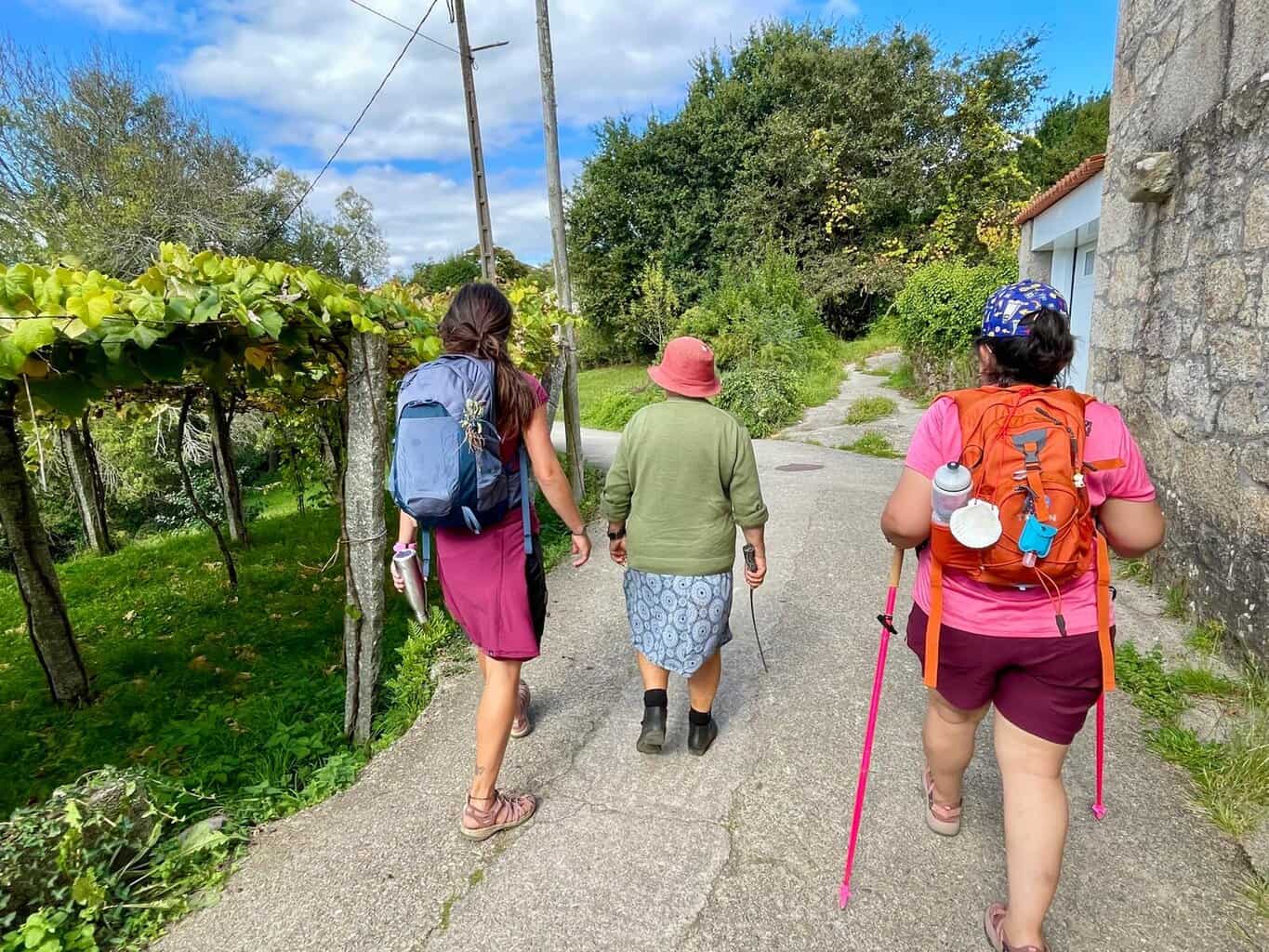
The walk from Florence to Assisi along the Via di Francesco is a deeply enriching pilgrimage that follows in the footsteps of St. Francis, weaving through Tuscany’s rolling hills, dense forests, and charming villages. The trail invites a slow, mindful pace, encouraging connection with nature, Italian culture, and oneself. After covering roughly 180 kilometers over several days, the journey culminates in Assisi, the saint’s birthplace, where pilgrims can honor his legacy and find inspiration in the town’s rich spiritual heritage.
Take a look below as we share some of the most remarkable and inspiring highlights along this beautiful pilgrimage route, offering you a glimpse into the rich history, spirituality, and natural beauty you will encounter.
Florence
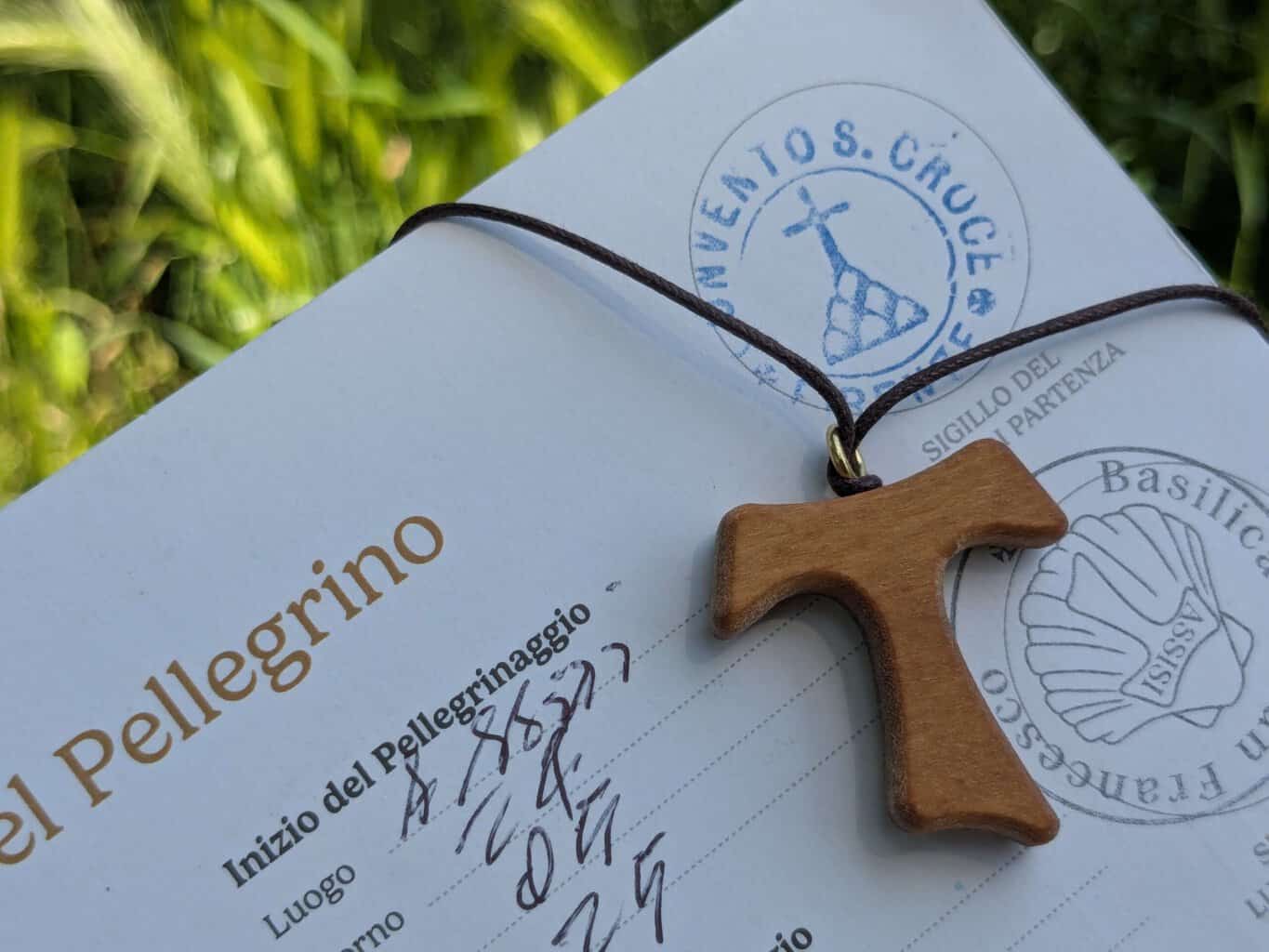
Begin your pilgrimage at the Basilica of Santa Croce in Florence, where you can receive your first pilgrim’s stamp, marking the official start of the journey. This basilica is not only a spiritual landmark but also an architectural gem of the Gothic period, housing the tombs of many illustrious Italians, including Michelangelo and Galileo. After this meaningful start, take time to visit the nearby Uffizi Galleries, which contain one of the world’s most important collections of Renaissance art, enriching your cultural experience before the walk. Before setting out on the trail, greet the statue of Porcini, a symbolic figure welcoming pilgrims and representing the spirit of the journey ahead. Florence’s vibrant history, art, and spiritual heritage provide a profound foundation for the pilgrimage.

Stia
In the tranquil town of Stia, pilgrims encounter a remarkable fresco of St. Francis painted by Pietro Annigoni, which powerfully conveys the saint’s deep connection to nature and his spiritual message of harmony with the environment. Complementing this is the modern “Fratello Sole” iron statue, symbolizing St. Francis’s Canticle of the Sun and his reverence for the natural elements. Stia serves as a reflective pause where pilgrims can absorb the saint’s eco-spiritual legacy amid the peaceful Tuscan landscape. The town’s artistic and spiritual tributes invite contemplation on the relationship between faith and nature. This stop enriches the pilgrimage with a sense of environmental stewardship inspired by St. Francis.
Monastery of Camaldoli
The Monastery of Camaldoli is a historic and serene retreat set in the Tuscan hills, offering pilgrims a place for spiritual reflection and rest. Here, visitors can collect a stamp in their pilgrim’s credential, marking their progress on the route. A local specialty to savor is Panigacci, thin unleavened breads cooked on terracotta discs stacked on a grill, traditionally eaten with local cold cuts and cheeses. This simple, hearty meal reflects the practical needs of pilgrims and the monastic lifestyle, providing nourishment that is both symbolic and sustaining. The monastery’s peaceful environment and spiritual atmosphere offer a meaningful respite on the journey.
Santuario della Verna
Santuario della Verna is a profoundly sacred site where St. Francis received the stigmata, making it one of the most important spiritual destinations on the route. Pilgrims can visit key locations such as Sasso Spicco, a cliffside meditation spot where the saint spent long hours in prayer and solitude. The Chapel of the Stigmata commemorates the miraculous event and is a focal point for spiritual reflection. Each day, a solemn procession takes place at the Chiesa Maggiore della Verna, enhancing the sanctuary’s sacred atmosphere and offering pilgrims a chance to participate in a living tradition. Surrounded by dense forests and rugged terrain, the sanctuary invites deep contemplation and connection with the saint’s mystical experiences.
Assisi
The pilgrimage culminates in Assisi, the birthplace and spiritual heart of St. Francis, where pilgrims can visit the Basilica of San Francesco, which houses the saint’s tomb. This basilica is a masterpiece of medieval art and architecture, featuring frescoes by Giotto and Cimabue that narrate the life and miracles of St. Francis. Assisi itself is a medieval hill town imbued with a timeless spiritual aura, with numerous churches and convents linked to the Franciscan tradition. Pilgrims often also visit the Basilica of Santa Chiara, dedicated to St. Clare, a close follower of St. Francis who embraced his ideals of poverty and simplicity. The town’s peaceful setting on the slopes of Mount Subasio, combined with its rich religious heritage, makes Assisi a deeply moving and inspirational destination to conclude the pilgrimage.

Walk in the Footsteps of St Francis
Follow the St Francis Way through the heart of Italy, following ancient paths from Florence to Assisi and beyond. This beautiful pilgrimage combines peaceful countryside, historic towns and a deep sense of spirituality — making it a truly rewarding alternative to the Camino de Santiago. Want to experience it for yourself? Follow the Camino can organise your St Francis Way journey for you, taking care of the practical details so you can focus on the walk, the places and the experience.