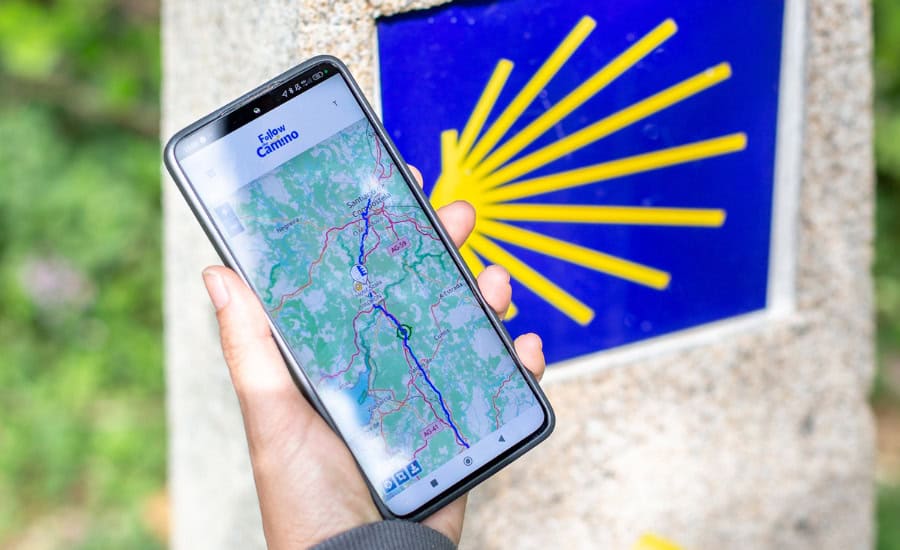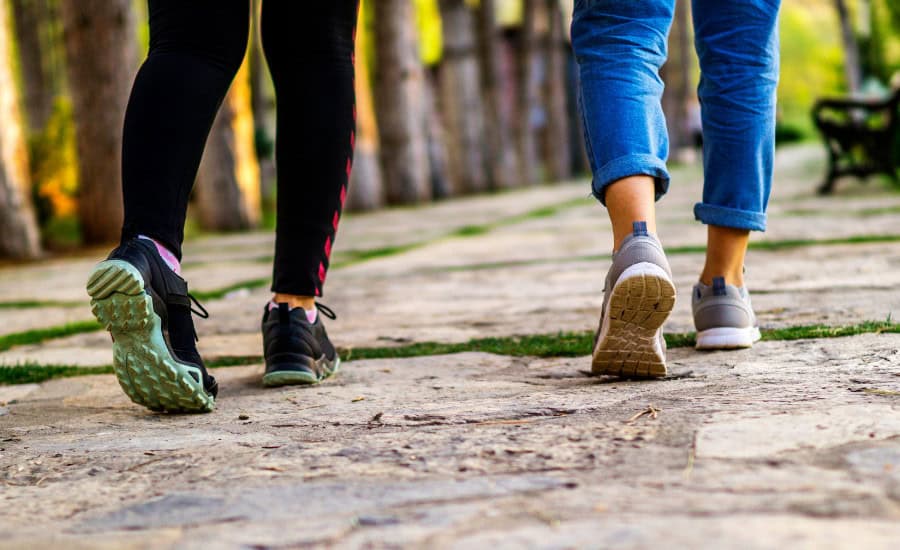

For schools, colleges, and universities in the United States, offering students an international travel experience can be truly transformative. Beyond the classroom, exposure to new cultures, languages, and histories helps young people grow into global citizens. Among the many destinations in Europe, one journey stands apart: the Camino de Santiago in Spain.
This ancient pilgrimage route has shaped European history for over a thousand years, and it continues to be a path of cultural exchange, resilience, and reflection. With EduCamino, Follow the Camino has created a specialized program to help students walk part of this historic trail—while we handle all the logistics to make the experience safe, structured, and unforgettable.
Why Choose Europe, and Why the Camino?
Europe is a living classroom. Every city, village, and path holds lessons in history, art, architecture, politics, and traditions that have influenced the modern world. For American students, this immersion provides not just knowledge, but perspective—a deeper understanding of cultural diversity and global heritage.
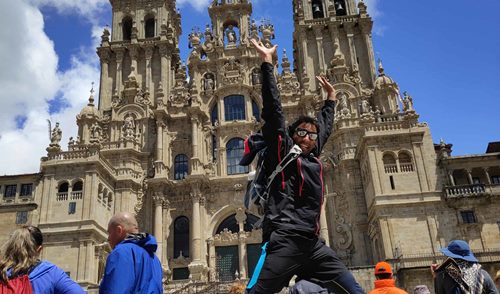
The Camino de Santiago (or the Way of St. James) is more than a walk. For over a millennium, pilgrims from across Europe—and now the world—have followed its routes to the city of Santiago de Compostela in northwestern Spain. Along the Camino, students encounter Romanesque cathedrals, medieval bridges, and towns shaped by centuries of exchange between different peoples and ideas. In many ways, the Camino is a timeline of European civilization, brought to life step by step. Today, the Camino remains a vibrant meeting place where tradition and modernity coexist.
What Do Students Gain from Walking the Camino?
- Resilience & Teamwork: Walking daily as a group requires perseverance, cooperation, and empathy. The shared challenge builds bonds that last long after the journey ends.
- Cultural Awareness: By engaging with Spanish towns and villages, students experience daily life in Europe, sample local cuisine, and practice language skills in authentic settings.
- Historical Perspective: From ancient Roman roads to medieval monasteries, the Camino provides direct encounters with history that connect to themes taught in US classrooms—religion, politics, migration, art, and architecture.
- Personal Growth: The Camino encourages mindfulness, reflection, and independence.
- Global Citizenship: By meeting fellow walkers from all over the world, students gain a firsthand appreciation of international community and dialogue.




How Do We Make Logistics Simple for Schools?
We understand that planning an international trip for a group of students can feel overwhelming. Flights, transfers, accommodations, meals, safety concerns—it’s a long list of details that can take months of preparation. That’s where Follow the Camino makes the difference. With our EduCamino program, you have a trusted partner to manage it all:
- Tailor-made itineraries crafted for schools, colleges, and universities.
- Booking of accommodation, luggage transfers, and other transfers and visits in Santiago
- Local guides and 24/7 assistance throughout the trip.
- Pre-departure resources to prepare staff, parents, and students.
- Flexible options to suit educational goals, budgets, and group sizes.
Some Schools that Have Traveled with Us

What Practical Information Do US Students Need Before Traveling?
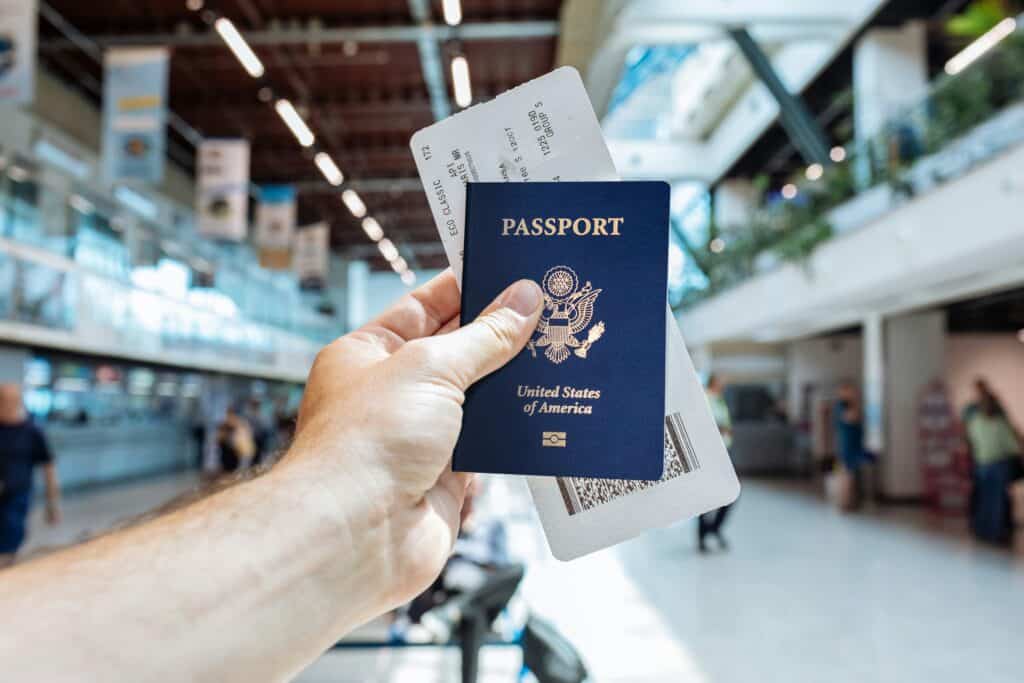
- Visas: US passport holders do not need a visa to enter Spain or other Schengen countries for short stays under 90 days. This means students can participate in EduCamino programs without additional paperwork.
- Vaccines: There are no mandatory vaccines required for Spain, but it is recommended that students are up-to-date with routine vaccinations before travel.
- Electricity & Plugs: Spain uses the European standard plug type C and F, with a voltage of 230V. US devices will require an adapter, and in some cases, a voltage converter.
- Currency: Spain uses the Euro (€). Students will have the opportunity to practice budgeting and handling foreign currency, although cards are widely accepted.
- Travel Insurance: Follow the Camino can advise on travel insurance options to ensure peace of mind for parents and staff.
Why Does the Camino Matter for US Students Today?
In an increasingly interconnected world, young people benefit enormously from opportunities that take them out of their comfort zones and challenge them to think globally. The Camino de Santiago offers exactly that—a chance to explore Europe not as a tourist, but as a participant in a living tradition that unites people across borders.
For US students, the Camino is a unique combination of history, culture, and self-discovery. It broadens their worldview, deepens their understanding of European heritage, and gives them tools—resilience, empathy, global awareness—that will serve them throughout their academic and professional lives.
How Can You Make the Camino Part of Your Students’ Story?
The EduCamino experience is more than a trip abroad—it is a journey of transformation. From the friendships formed on the trail to the sense of accomplishment upon reaching Santiago, students return with memories and lessons that cannot be replicated in the classroom.
Give your students the gift of discovery: of Europe, of Spain, and of themselves. With EduCamino and Follow the Camino, the path is ready. All you need to do is take the first step.
FAQs for Educators
How much does the EduCamino program cost?
Costs vary depending on group size, itinerary, and travel season. Follow the Camino creates customized packages to suit each school’s budget and goals. Our program starts from €584, and teachers travel for free (terms and conditions apply).
Is the Camino safe for students?
Yes. The Camino is well-marked, welcoming, and considered one of the safest long-distance routes in Europe. Our team provides 24/7 support and ensures accommodation and transfers meet strict safety standards.
Do students need to be in peak physical condition?
No. EduCamino itineraries are designed to be manageable for young walkers, with daily distances adapted to student groups. Regular walking practice is recommended, and with that goal we offer a free Camino Training Plan designed by physiotherapists. It includes a walking program as well as strength and stability exercises.
What support is available for teachers and chaperones?
We provide pre-trip materials, optional local guides on the ground, and a dedicated support team so that educators can focus on mentoring their students, not managing logistics.
How early should we start planning?
We recommend planning around 9 months in advance to secure the best flights, accommodations, and group rates.

Ready to bring your students on the Camino de Santiago?
Contact us at Follow the Camino or book a free virtual appointment with our Camino Experts today and let’s begin planning your EduCamino journey.