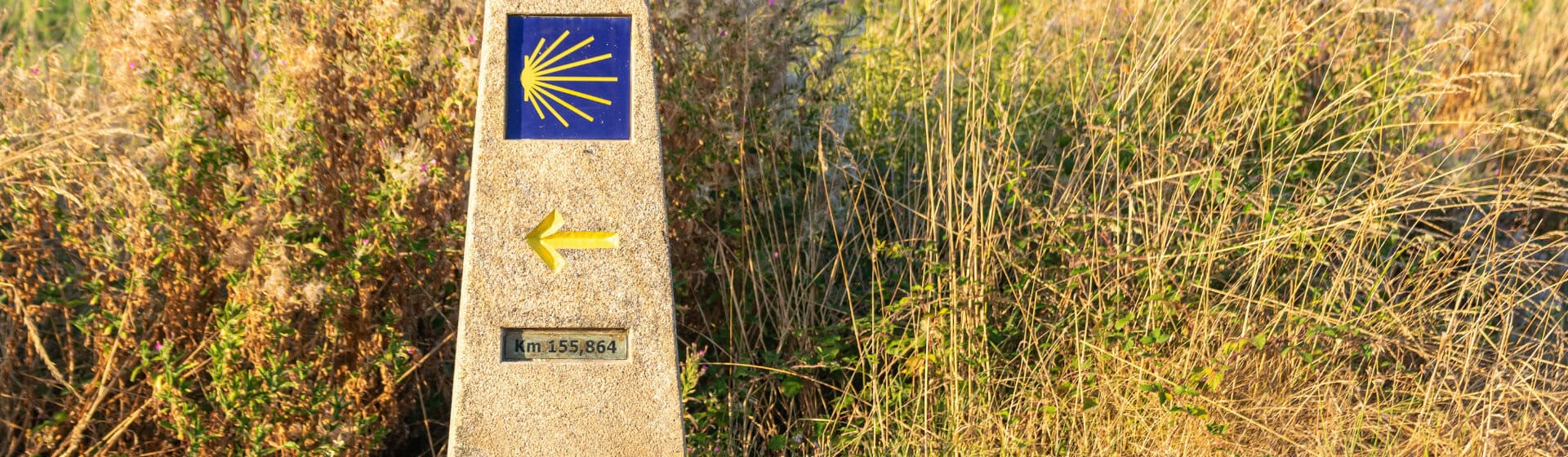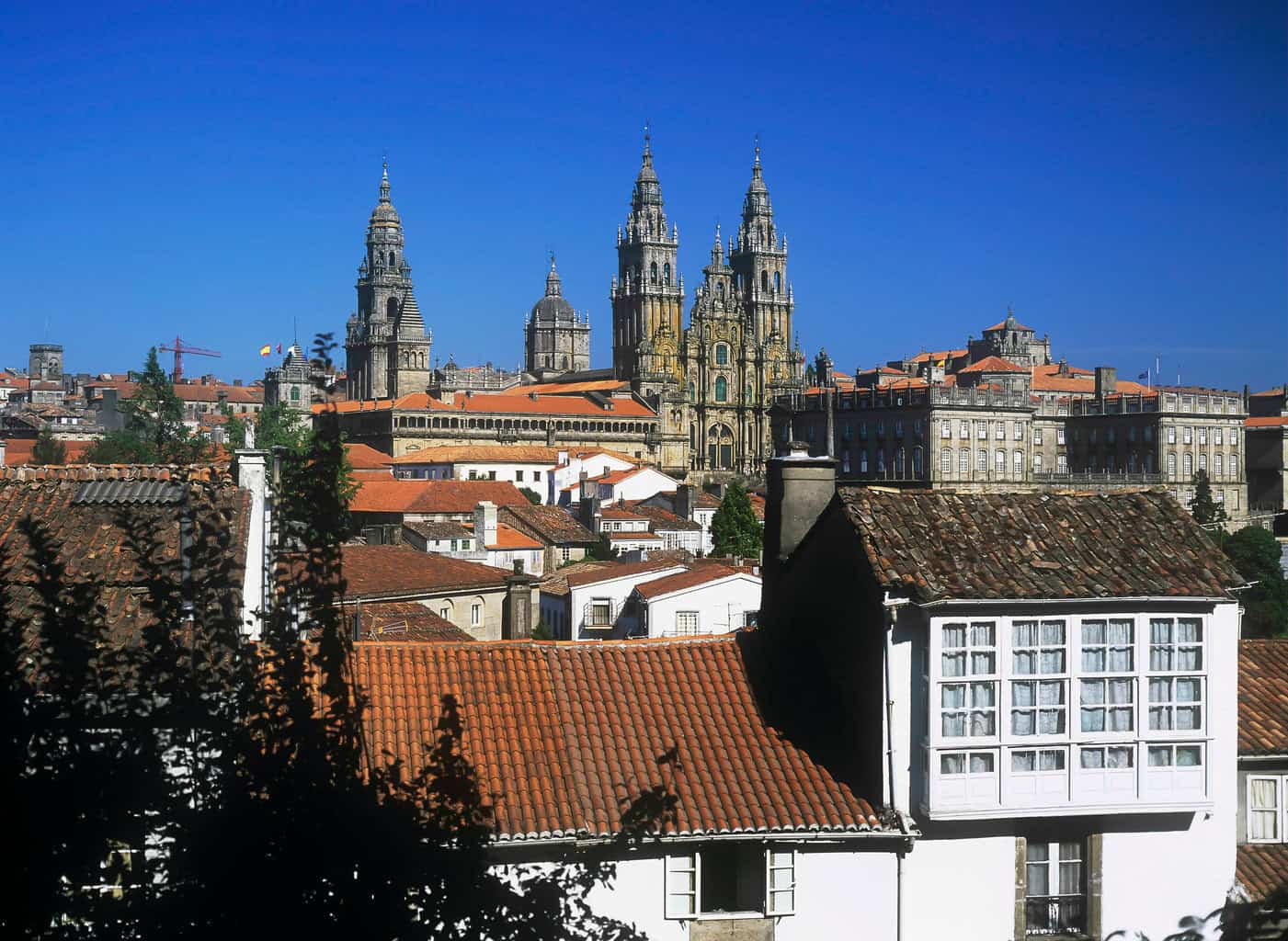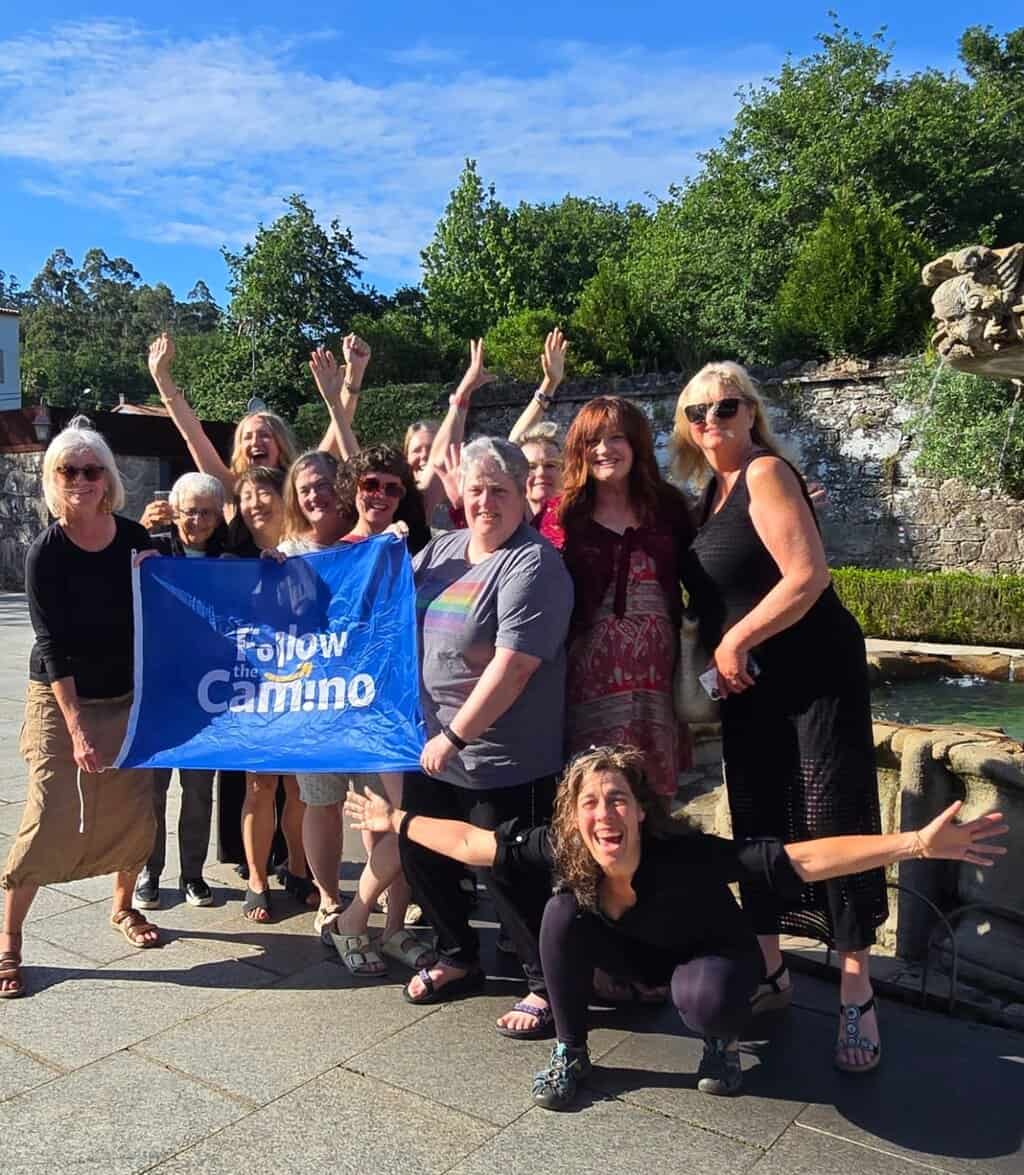
In 2006, when Follow the Camino was founded after our founder, Umberto di Venosa, walked the Camino de Santiago and experienced its transformative power firsthand, the pilgrimage landscape looked very different. Back then, just over 101,000 pilgrims completed the Camino and received their Compostela certificate, a humble number compared with what the route has become today.
A Global Pilgrimage Emerges
Two decades ago, the Camino was better known among locals and devoted walkers from nearby countries. The French Way dominated, chosen by roughly 82 % of pilgrims, while other routes like the Portuguese, English, or Northern Ways were quieter, lesser-traveled paths that many still hadn’t discovered. Memories were often kept in handwritten journals or rare printed photos. They are so rare, in fact, that we barely have images of those first journeys with us!
Fast forward to 2024–2025, and the Camino has grown into a global phenomenon. In 2025, over 530,000 pilgrims received the official Compostela certificate — a record number and more than five times the number in 2006.
Today, although the French Way still leads, it represents around 46–47 % of the pilgrimages, a clear sign that other routes are gaining ground as meaningful alternatives for those seeking less crowded, more personal experiences.
International Voices and Changing Demographics
A defining shift over these 20 years is the Camino’s internationalization. While pilgrims once came predominantly from Spain and neighboring countries, today about 58 % of walkers come from abroad.
One of the most remarkable changes is the rise of the United States as a pilgrim source: where it was not even in the top five in the early 2000s, it now ranks as the second largest country of origin for Camino pilgrims overall.
This shift reflects not just numbers, but the evolution of the Camino into a global rite of passage, one that draws people not only for spiritual reasons, but for adventure, self‑discovery, culture, challenge, and connection.
Technology, Storytelling, and Connectivity
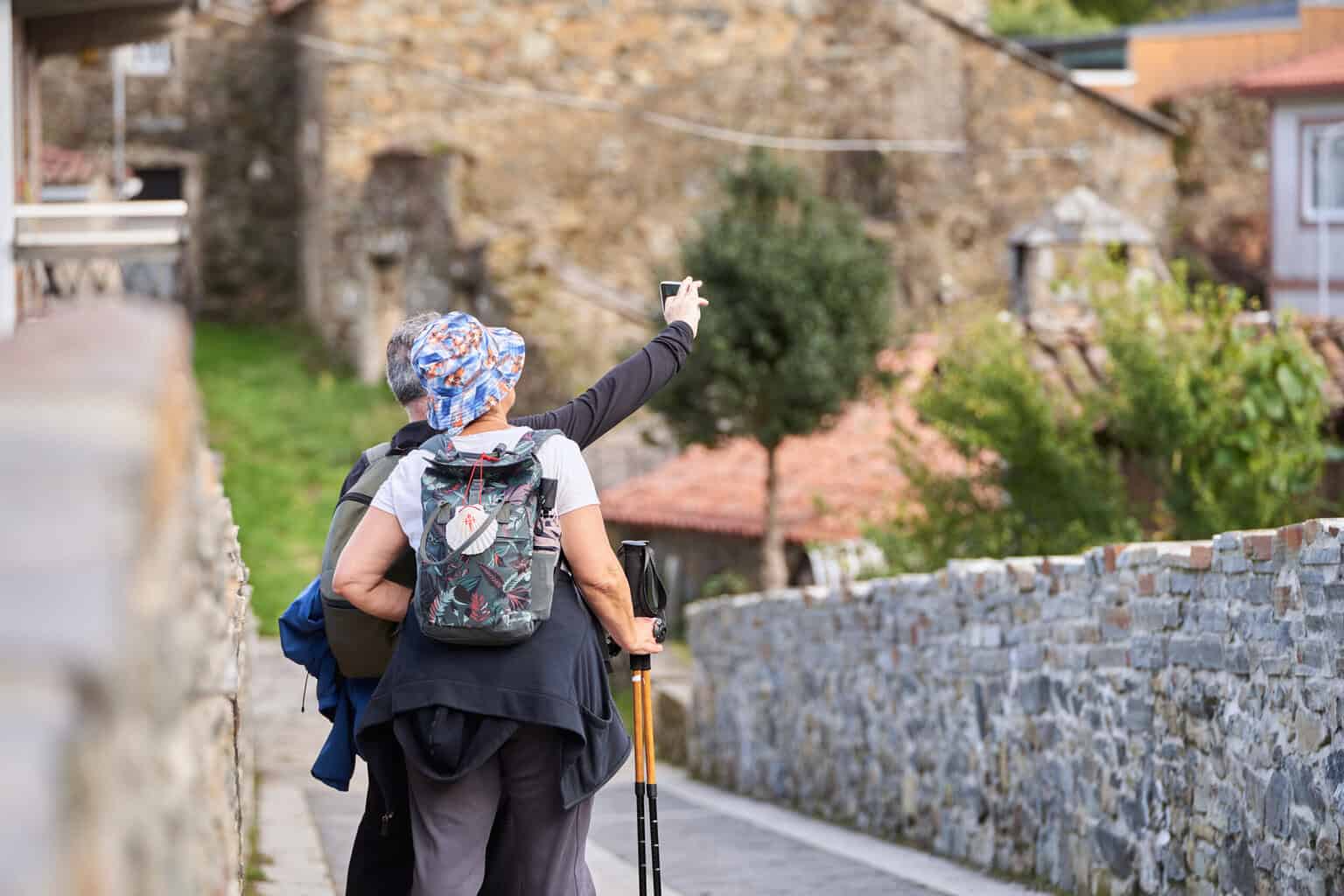
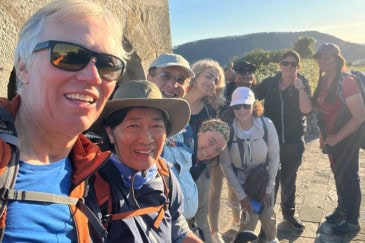
In 2006, mobile phones didn’t even have internet, and social media was nearly nonexistent. Can you believe this? Pilgrims documented their journey through journals and occasional snapshots taken with digital cameras. Today, smartphones and social platforms turn every sunrise, village, and milestone into a shared global story, democratizing the experience and inspiring countless others.
Paradoxically, while the Camino has become hyper‑connected and documented in real time, many pilgrims still speak of it as a space of unplugged reflection, deep connection, and presence — a testament to how technology amplifies the experience without replacing its deeper meaning.
The Compostela Then and Now
The Compostela (the official certificate of accomplishment issued at the Pilgrim’s Office in Santiago de Compostela) remains the symbolic culmination of the pilgrimage. The core requirement hasn’t changed: pilgrims must present their credencial (pilgrim’s passport) with enough stamps to prove they walked the necessary distance along an official route.
But the process has evolved. Today, there are clearer rules, standardized expectations, and modern systems in place to verify that the journey meets both traditional and contemporary criteria. This blend of old tradition and modern clarity strengthens the Camino’s identity as a living cultural heritage.
A Living Journey
From a quiet, lesser‑known path walked by tens of thousands to a world‑renowned pilgrimage of nearly half a million pilgrims a year, the Camino’s evolution mirrors broader changes in society: increased mobility, global community building, and the search for meaning across cultures and continents.
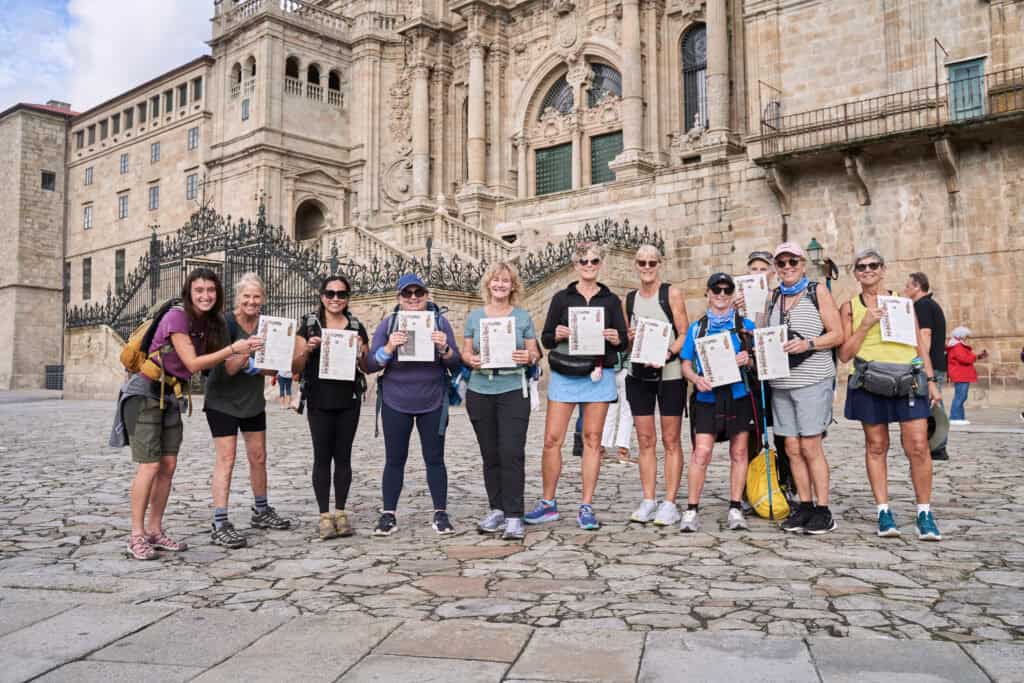
But beyond statistics, what truly animates the Camino are the stories: the first uncertain step, the friendships that form with strangers, the quiet breakthrough at the end of a long day’s walk, the tears, laughter, and the personal transformation that stays long after the final step on Obradoiro square.
At Follow the Camino, we’ve walked alongside thousands of pilgrims over the past 20 years, witnessing these moments firsthand. These stories are the heart of who we are, and the reason we continue guiding, learning, and celebrating this ancient path with each new pilgrim.