Santiago de Compostela is one of the most historic and beautiful cities in Spain. Known worldwide as the final destination of the Camino de Santiago pilgrimage, the city attracts hundreds of thousands of pilgrims and travelers every year.
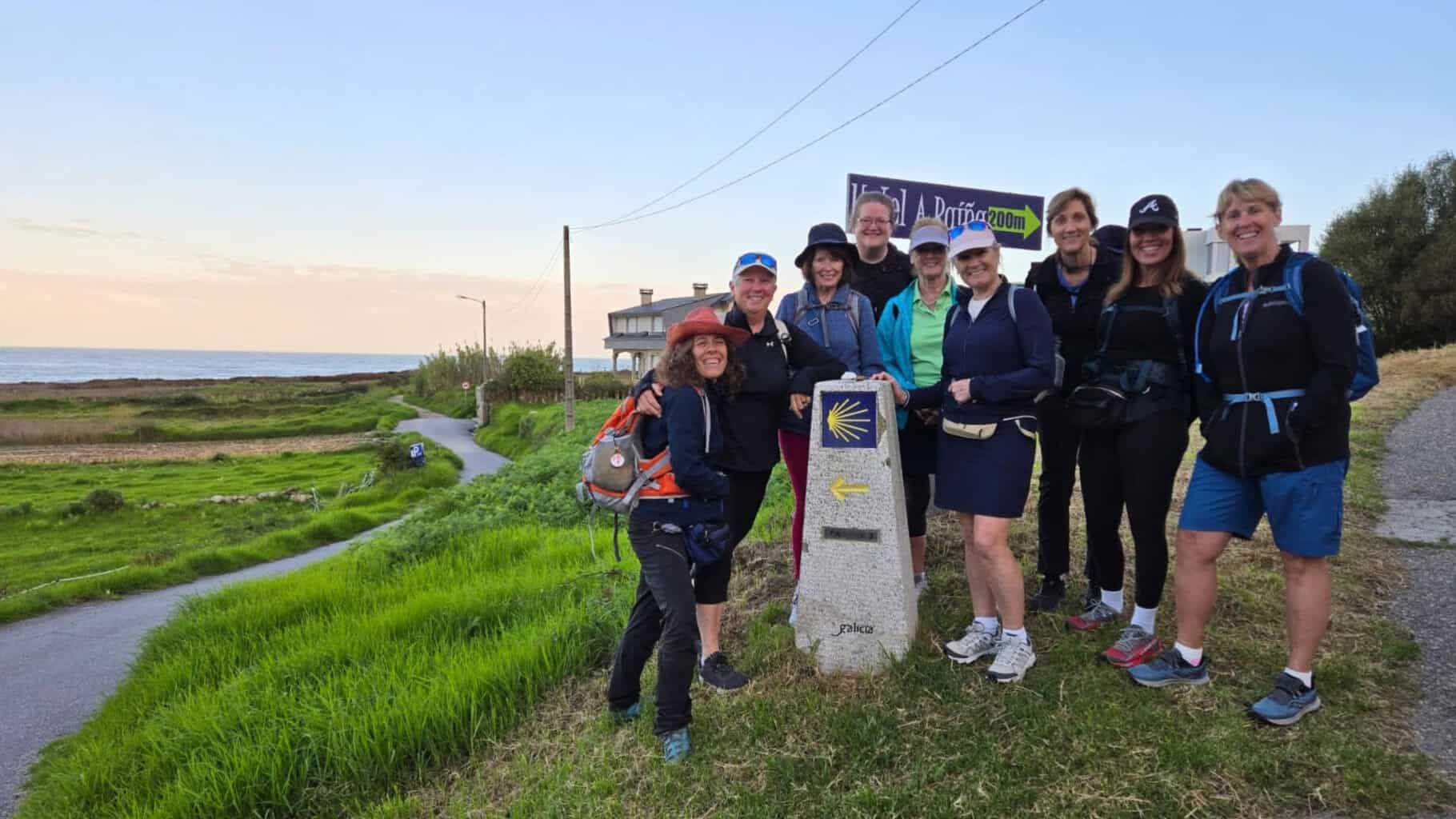
For more than 20 years, Follow the Camino has been helping travelers and pilgrims walk the Camino de Santiago. During that time, our team has planned thousands of Camino journeys across routes like the Camino Francés, Camino Portugués and Camino del Norte.
This hands-on experience supporting pilgrims every day — from route planning to accommodation and luggage transfer — gives us a deep understanding of Santiago de Compostela and what visitors should not miss when they arrive. The recommendations in this guide come directly from two decades of helping people experience the Camino and the city that marks its unforgettable final destination.
Located in the region of Galicia in northwest Spain, Santiago blends medieval streets, baroque architecture, incredible seafood, and deep spiritual history. Whether you arrive as a pilgrim after walking the Camino or as a traveler exploring northern Spain, the city offers a rich mix of culture, history, and gastronomy.
From the magnificent Cathedral of Santiago to peaceful parks and nearby coastal escapes, here are the best things to do in Santiago de Compostela.

What is the most important place to visit in Santiago de Compostela?
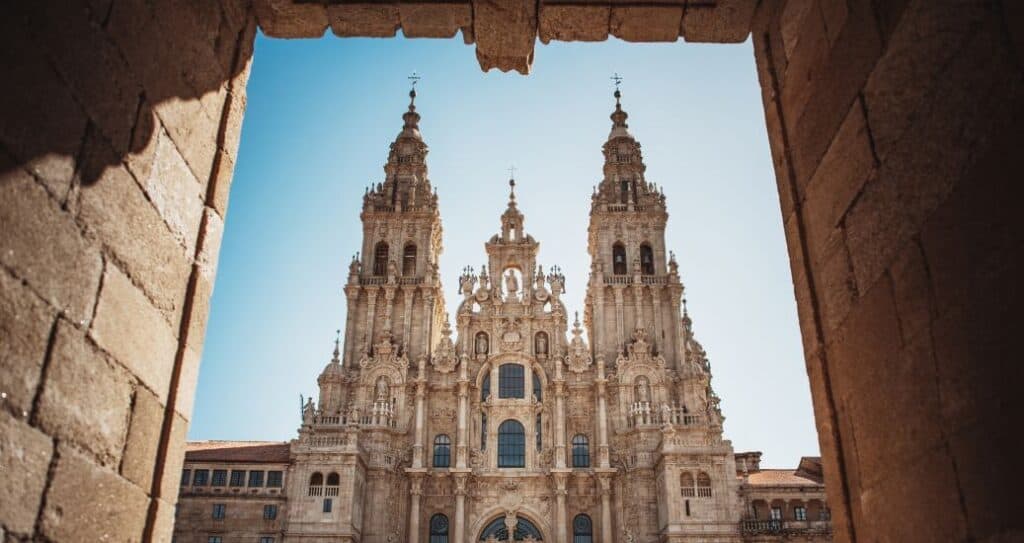
Santiago de Compostela Cathedral
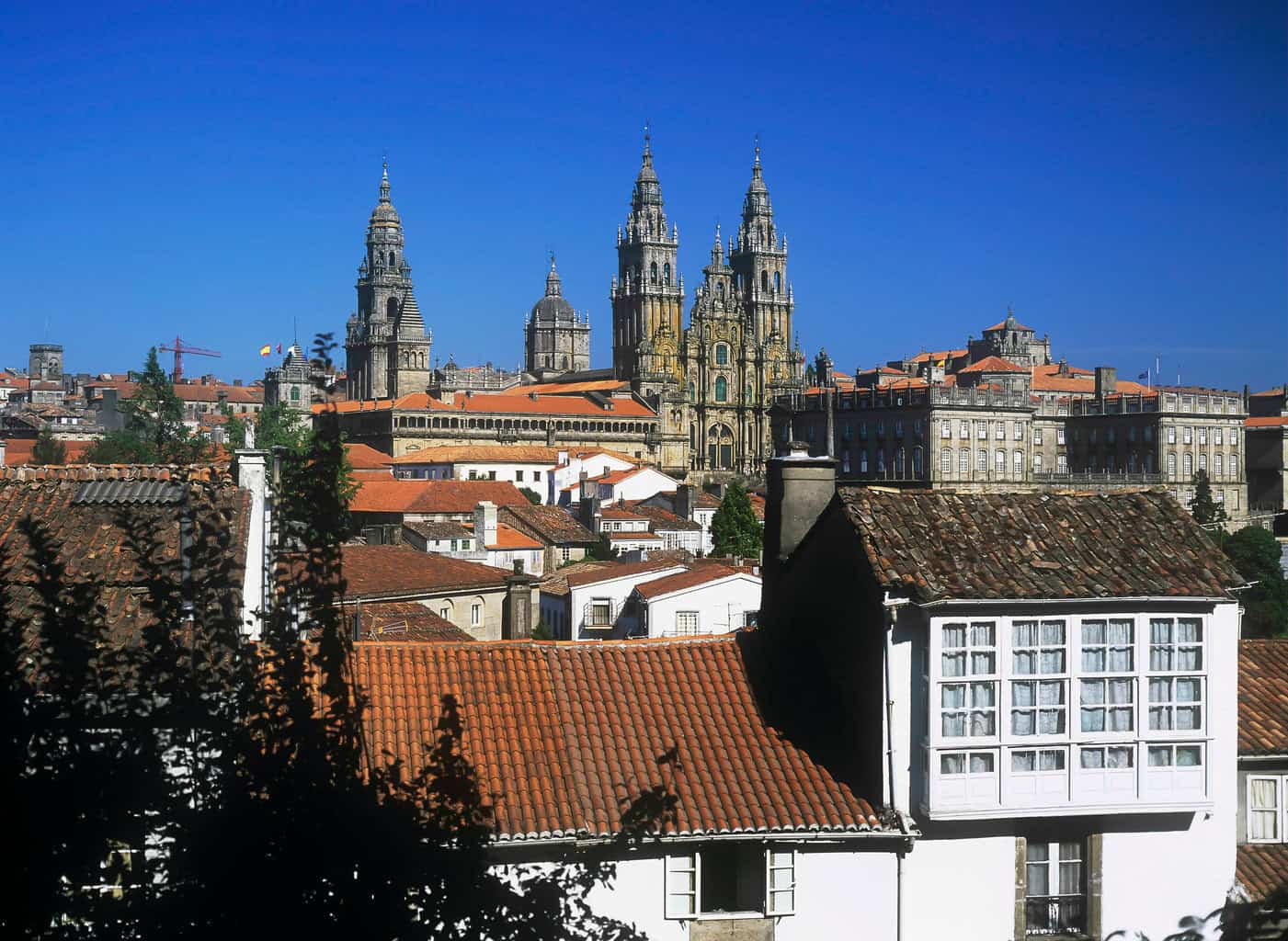
The Cathedral of Santiago de Compostela is the spiritual heart of the city and the final destination of the Camino de Santiago pilgrimage.
According to tradition, the relics of Saint James the Apostle are buried here, making the cathedral one of the most important Christian pilgrimage sites in the world.
The building combines several architectural styles:
-
Romanesque structure (11th–12th century)
-
Gothic elements
-
Baroque façade facing Praza do Obradoiro
Highlights inside the cathedral include:
-
The Pórtico da Gloria, the Romanesque masterpiece created by Mestre Mateo
-
The tomb of Saint James, located beneath the main altar
-
The Botafumeiro, a giant incense burner that swings dramatically across the nave during special masses
Cathedral visiting information
-
Basilica opening hours: 7:00 AM – 9:00 PM daily
-
Cathedral museum: Tuesday to Saturday, 10:00–14:00 and 16:00–19:00
-
Pilgrim Reception Office: 10:00–18:00
Pilgrims who have walked at least 100 km or cycled 200 km can collect their Compostela certificate in the Oficina del Peregrino.
What should you explore in Santiago after visiting the cathedral?
The Old Town (Casco Antiguo)
The historic center of Santiago de Compostela is a UNESCO World Heritage Site and one of the most atmospheric old towns in Spain.
After leaving the cathedral, you can wander through a maze of granite streets, medieval squares, and historic arcades.
Two of the most famous streets are:
-
Rúa do Villar
-
Rúa Nova
These streets are full of traditional cafés, small shops, and historic university buildings.
Things to do in the Old Town include:
-
Sit at a café terrace and watch pilgrims arriving in the city
-
Try traditional Galician pastries or coffee
-
Visit small museums and historic churches
-
Shop for Camino souvenirs
When your legs are tired after walking the Camino, this is the perfect place to slow down and enjoy the atmosphere.
Where can you see contemporary art in Santiago?
Galician Contemporary Art Centre (CGAC)
The Centro Galego de Arte Contemporánea (CGAC) is Santiago’s leading modern art museum.
Designed by renowned Portuguese architect Álvaro Siza, the building itself is considered a masterpiece of contemporary architecture.
Inside the museum you will find:
-
Exhibitions of international contemporary artists
-
Rotating shows focused on Galician art
-
Cultural events such as talks, workshops, and lectures
For travelers interested in modern culture and architecture, this museum offers a refreshing contrast to the city’s medieval atmosphere.
Is there a quiet place away from the crowds in Santiago?
Church of Santa María a Real do Sar
Just outside the historic center, you’ll find one of Santiago’s hidden gems: Santa María a Real do Sar.
Built in the 12th century, this Romanesque church sits beside the Sar River and is famous for its leaning cloister columns, which give the building a unique character.
Features include:
-
Romanesque arches and stonework
-
A peaceful cloister and garden
-
Scenic surroundings near the river
Declared a Bien de Interés Cultural in 1895, this church is perfect if you want a quiet moment away from the busy pilgrimage center.
Can you visit “the end of the world” from Santiago?
Cape Finisterre and the Finisterre Lighthouse
About 90 km from Santiago de Compostela lies Cape Finisterre (Fisterra), historically believed to be the end of the known world.
Many pilgrims choose to extend their Camino beyond Santiago and finish their journey here.
At Finisterre you will find:
-
The Finisterre Lighthouse, perched dramatically above the Atlantic Ocean
-
Rugged cliffs and wild coastal landscapes
-
One of the most beautiful sunsets in Spain
The nearby fishing village of Fisterra is also worth visiting for its fresh seafood restaurants and maritime atmosphere.

What baroque architecture should you see in Santiago?
Casa do Cabildo and Praza das Praterías
One of the best examples of Galician Baroque architecture is the elegant Casa do Cabildo, located in Praza das Praterías.
Built in 1758, the building was originally designed as an aristocratic residence but today serves as a cultural exhibition space.
The square itself is one of the most beautiful in Santiago and offers a great viewpoint of the cathedral’s southern façade.
Where can you relax in nature in Santiago?
Alameda Park
Parque da Alameda is the city’s most famous green space and a favorite spot for both locals and pilgrims.
Highlights include:
-
Paseo da Ferradura, the best viewpoint of the cathedral skyline
-
More than 90 species of plants and trees
-
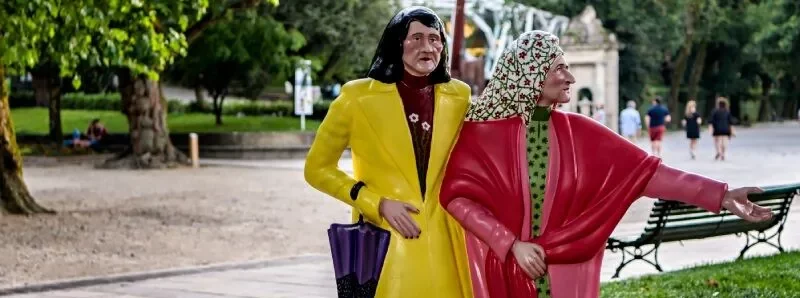
The iconic statue of Las Dos Marías, two famous local sisters
Visit in the evening for one of the most beautiful panoramic views of Santiago.
What day trips can you take from Santiago de Compostela?
Visit the coastal city of Vigo
Santiago is also an excellent base for exploring the Galician coast.
The city of Vigo, about an hour away, offers:
-
A lively fishing port
-
Fantastic seafood restaurants
-
Access to the spectacular Cíes Islands
It’s a great day trip if you want to experience the Atlantic side of Galicia.
What cultural experiences should you try in Santiago?
Santiago de Compostela is the cultural capital of Galicia, with events happening throughout the year.
Experiences worth seeking out include:
-
Visiting the Mercado de Abastos, the city’s historic food market
-
Tasting Galician seafood, such as octopus (pulpo a feira)
-
Sampling traditional tarta de Santiago almond cake
-
Attending local music, theatre, or festivals
Before visiting, check local listings for concerts, exhibitions, and cultural events happening during your stay.

Why is Santiago de Compostela the end of the Camino de Santiago?
The Camino de Santiago, or Way of Saint James, is a network of pilgrimage routes leading to the cathedral of Santiago.
According to tradition, the relics of Saint James the Apostle were discovered here in the 9th century.
Today:
-
More than 300,000 pilgrims complete the Camino every year
-
Pilgrims arrive on foot, by bicycle, or even on horseback
-
The minimum distance required to earn the Compostela is 100 km walking or 200 km cycling
Reaching the cathedral in Santiago is a powerful and emotional moment for many pilgrims.
Frequently Asked Questions About Santiago de Compostela
How many days do you need in Santiago de Compostela?
Most visitors spend 1–2 days exploring the city after finishing the Camino. However, 3 days allows time for museums, parks, and a day trip to the coast.
Can you visit Santiago de Compostela without walking the Camino?
Yes. While the city is famous as the Camino’s final destination, it is also a popular cultural and historical destination for travelers exploring northern Spain.
What is the best time to visit Santiago de Compostela?
The best months are May, June, September, and October, when the weather is pleasant and there are fewer crowds than in peak summer.
What food should you try in Santiago?
Must-try Galician dishes include:
-
Pulpo a feira (Galician octopus)
-
Tarta de Santiago almond cake
-
Empanada gallega
-
Fresh Atlantic seafood
Can you get the Compostela certificate in Santiago?
Yes. Pilgrims who have walked at least 100 km or cycled 200 km can receive the official Compostela certificate at the Pilgrim Reception Office near the cathedral.
If walking the Camino de Santiago is on your list, the best time to start planning is now. ç
Whether you are dreaming of a short Camino experience or a full pilgrimage, our team can help design a journey that fits your time, fitness level and travel style. Get in touch with Follow the Camino to start planning your Camino adventure — and take the first step towards arriving in Santiago de Compostela yourself. Buen Camino!