In 2025, the Camino de Santiago reached a new milestone.
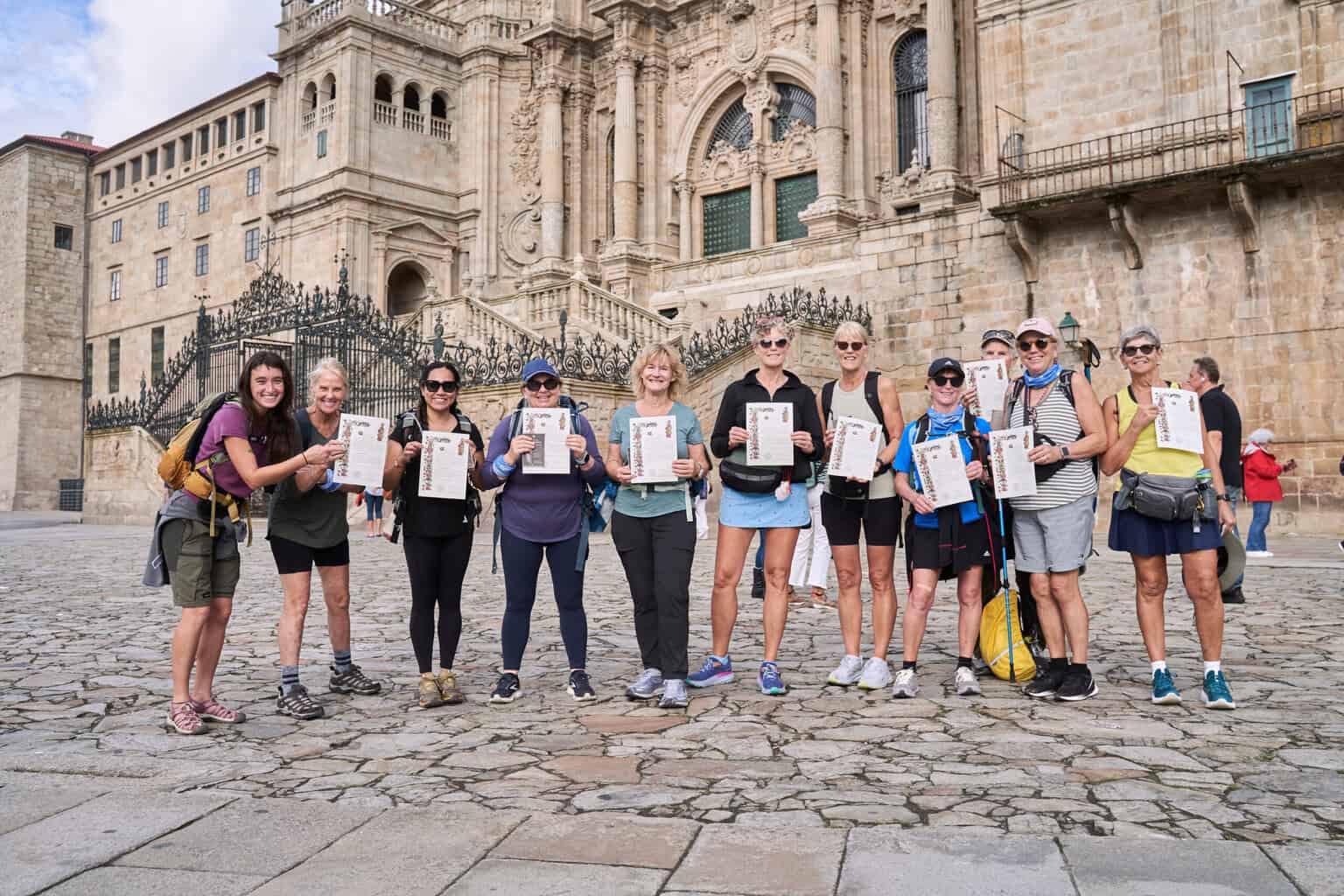
According to figures reported by the Oficina del Peregrino in Santiago de Compostela and disseminated through official communications and reputable Spanish media, more than 530,000 pilgrims completed one of the Camino routes and received the Compostela during the year. This represents the highest annual figure recorded to date and confirms a sustained growth trend observed over the past decade, with the pandemic years as the only exception.
While the exact final breakdown by route and motivation is published retrospectively in official annual reports, the overall scale of participation in 2025 places the Camino firmly among the most significant cultural and spiritual travel phenomena in contemporary Europe.
Growth Beyond a Single Year
The comparison with 2024 is particularly revealing. In that year, the Camino already approached half a million pilgrims, a figure that many analysts considered difficult to exceed outside of Holy Years. The fact that 2025 surpassed that number suggests that growth is no longer episodic, but structural.
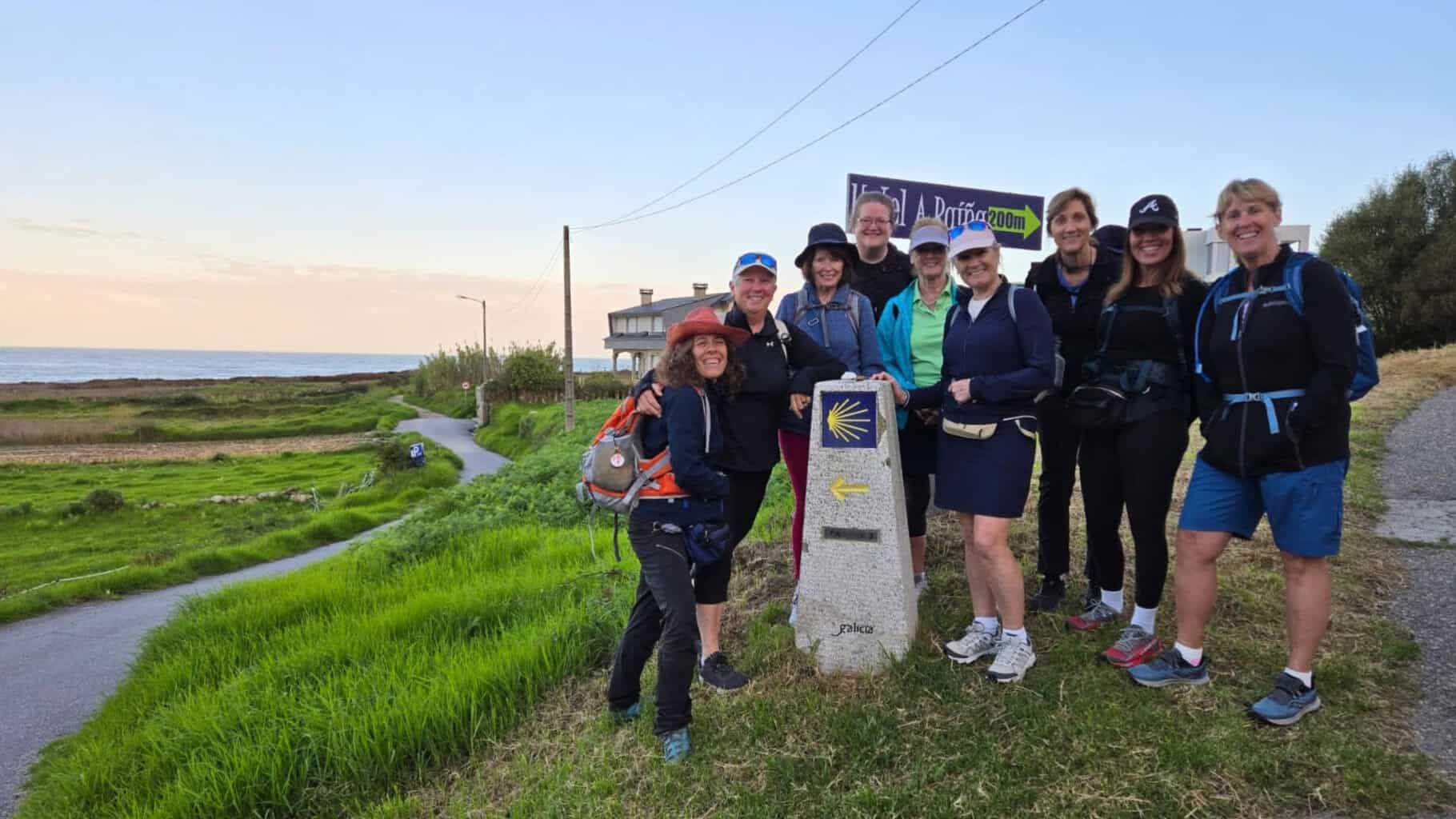
Available data and historical series indicate that international pilgrims continue to represent a majority of those arriving in Santiago, a pattern that has been consistent since before 2020. Walkers from countries such as the United States, Italy, Germany, Portugal, and the UK remain among the most represented nationalities, reinforcing the idea of the Camino as a genuinely international journey rather than a primarily domestic one.
This evolution aligns with long-term analyses published by Follow The Camino, which document how the Camino has progressively shifted from a largely European pilgrimage into a global reference point for meaningful travel over the last twenty years.
Route Distribution and the End of Absolute Dominance
Historically, the Camino Francés concentrated the vast majority of pilgrims. Official statistics over recent years, however, show a gradual redistribution.
While the Camino Francés remains the most frequented route, its relative share of total pilgrims has declined compared to two decades ago, as alternative routes gain visibility and infrastructure. The Portuguese Way, including its coastal variant, has shown particularly strong growth and, according to recent counts reported by institutions and media, has surpassed symbolic thresholds that place it firmly among the Camino’s main arteries.
This diversification does not indicate fragmentation, but maturity. Pilgrims today are more aware of route options and increasingly choose paths that align with their desired level of solitude, landscape, and pace, rather than defaulting to a single “canonical” itinerary.
Motivations: Continuity and Change
One of the most debated aspects of the Camino’s evolution is motivation. Official questionnaires collected by the Oficina del Peregrino consistently show that religious or spiritual reasons continue to play a significant role, either exclusively or combined with other motivations. At the same time, a substantial proportion of pilgrims report cultural, personal, or non-religious reasons for walking.
What has changed over time is not the disappearance of spirituality, but the plurality of meanings attached to the journey. As Follow The Camino has noted in its long-term analysis, the modern Camino functions as a flexible framework in which religious devotion, personal transition, physical challenge, and reflective travel coexist.
From an analytical perspective, this shift reflects broader changes in how contemporary societies relate to ritual, effort, and meaning, rather than a simple secularization of the Camino experience.
2025 in Context: Direction, Not Just Volume
When read alongside 2024 data and longer historical trends, the 2025 figures suggest growth with direction rather than uncontrolled expansion. International participation continues to rise, secondary routes gain weight within the overall system, and pilgrims arrive increasingly informed and intentional in their choices.
This interpretation is consistent with two decades of documented transformation: the Camino has not merely absorbed more people, but has adapted to different expectations while maintaining a recognizable core structure.
At the same time, increased demand has highlighted well-known challenges related to accommodation capacity, periods of particularly high demand along certain routes, and long-term sustainability in specific areas. These tensions are now part of the broader conversation surrounding the Camino’s future.
What 2025 Ultimately Signals
Taken in isolation, a figure exceeding 530,000 pilgrims is remarkable. Placed within its historical and cultural context, it signals something more substantial: The Camino de Santiago in 2025 stands as a consolidated global journey, chosen deliberately by people from diverse backgrounds who are seeking time, effort, and meaning in a structured yet open-ended experience. Its continued growth reflects not only effective infrastructure or visibility, but a deeper resonance with contemporary desires for slowness, challenge, and connection.
If the last twenty years marked a period of transformation, 2025 can be read as a year of confirmation.
The Camino is no longer in the process of becoming something else.
It has already assumed its place as a living, evolving cultural route of global relevance.