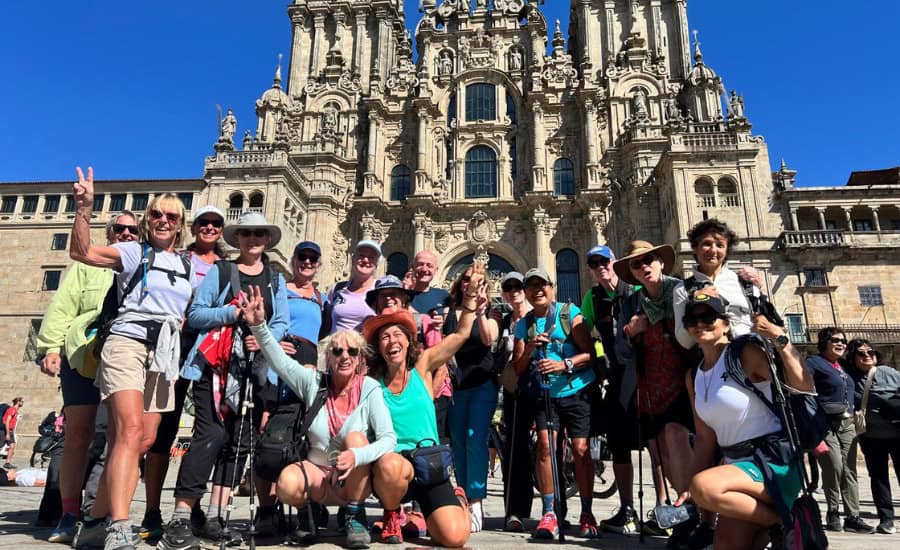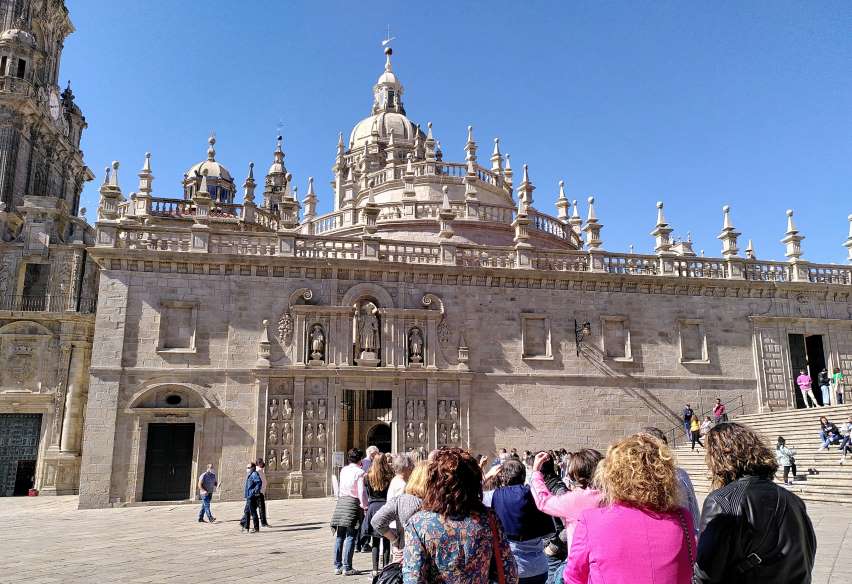
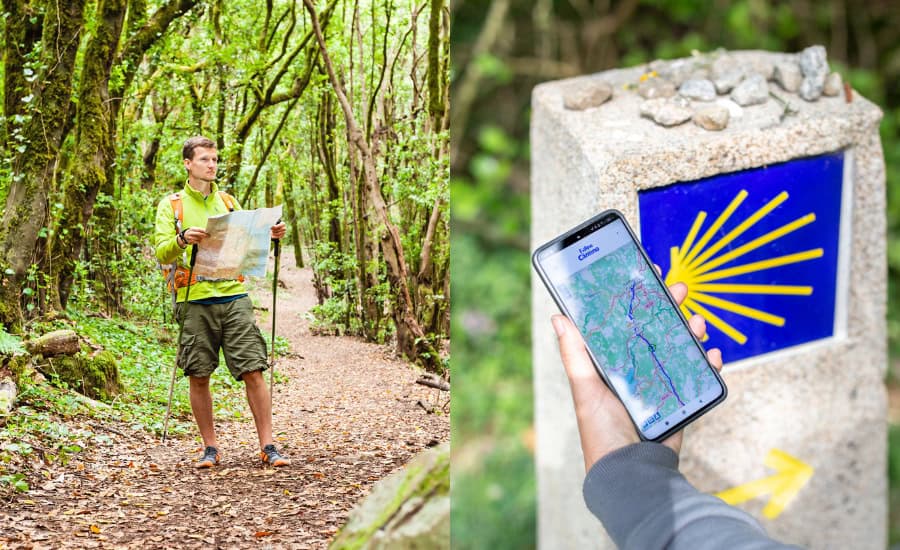
My name is Aima. I’m the Product Specialist and Marketing Executive at Follow the Camino — but before any of that, I’m a pilgrim.
My first Camino was in 2017. I walked alone from Sarria to Santiago, the way most first-timers do: a guidebook, a packed rucksack, and absolutely no idea what I was getting myself into. I booked everything myself, figured it out as I went, and arrived at the Cathedral with sore feet and that particular kind of joy that’s hard to explain if you have not walked the Camino. I fell in love with it.
I went back in 2018 — Tui to Santiago this time — but not alone. I’d spent a year trying to put into words what the Camino had done to me, and somewhere along the way I’d talked a few friends into joining. Then again in 2019, Santiago to Finisterre, with a group I’d practically recruited out of sheer enthusiasm.
That’s what the Camino does to people.
I had a career in hotel management in Argentina (where I come from) before I joined Follow the Camino — which, for someone who’d been walking the Way since 2017, felt less like a career move and more like a chance to grab. I am working on products I love, with like minded people and feel I am bringing joy to people. As Follow organise walking and cycling trips on the Camino and my boss encourages us to do trips (we get to travel at discounted prices – it is important for me to share that), I continued my Camino journey exploration. I have since, cycled Le Puy to Saint-Jean-Pied-de-Port in 2024, cycled Porto to Santiago later that same year and walked from Ribadesella to Oviedo (Camino del Norte) in 2025.
They are all very different experiences and I have a good understanding of the differences between DIY and organised.
So when I say this is an honest comparison, I mean it in a way that’s hard to fake: I’ve done both, across nearly a decade, on six different routes. I’ve carried a heavy pack through a rain-soaked albergue and I’ve walked into a pre-booked hotel with nothing but a daypack and a good night’s sleep waiting for me. I know what each version costs you — in money, in energy, in planning — and what each one gives back.
I’ll also admit this: somewhere between my first Camino and my most recent one, I turned the kind of age where a private bathroom stops feeling like a luxury and starts feeling the minimal comfort I want to travel with now.
If you’re thinking about walking the Camino and trying to decide whether to plan it yourself or hand the logistics to someone else, read on. This one’s for you.
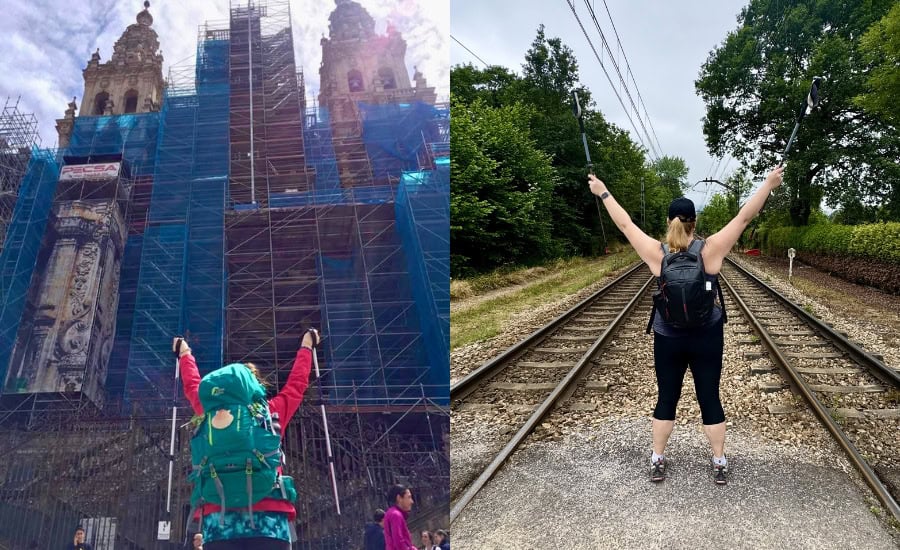
Camino de Santiago 2017 (DIY, Sarria to Santiago) vs. 2025 with Follow the Camino (Ribadesella to Oviedo) — same pilgrim, two very different journeys.
What Does “DIY Camino” Actually Mean?
Doing the Camino independently means you handle every logistical detail yourself: researching and booking accommodations night by night, figuring out luggage transport if you want it, downloading apps, printing route notes, buying guidebooks — or all of the above. As most travellers know, planning a trip to somewhere you’ve never been is rarely as straightforward as it looks. Small things you didn’t know to look for can lead to painful surprises. And there’s always the odd moment when something goes wrong and you find yourself alone at a desk, tired, no room available, looking for a solution.
For experienced travellers and backpackers, this can sound appealing — and it often is. You have maximum flexibility to change your pace, stay longer in a village you love, or skip a stage entirely if your legs are asking for it. You meet fellow pilgrims, navigate the unexpected, and often end up with a group of friends you didn’t plan for. That unpredictability is part of the draw.
What it costs
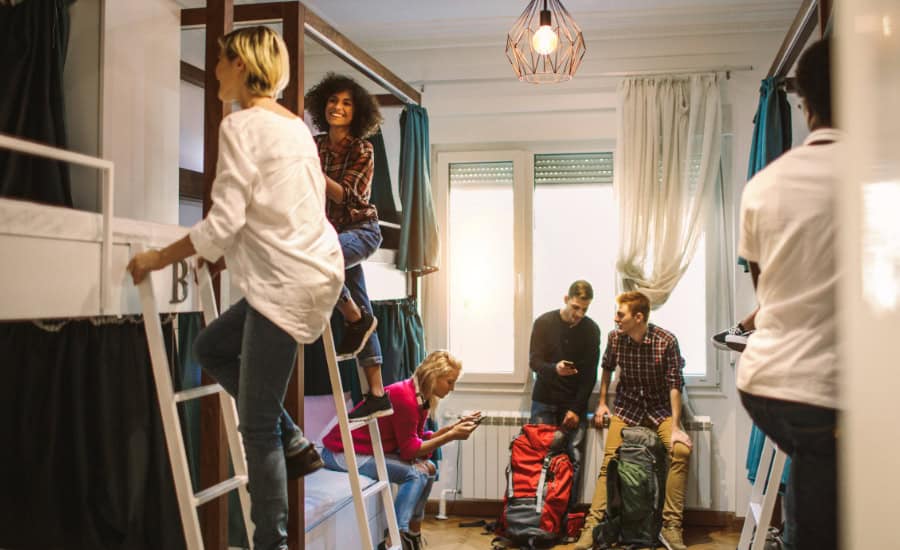
Let’s get the elephant in the room out of the way: organising things yourself is cheaper. Shared dormitories in municipal albergues can cost as little as €8–15 per night, while hotels range from €35 to over €200. One thing worth knowing: public albergues — the cheapest option — cannot be booked in advance. It’s first come, first served.
The best way I can explain the difference between DIY and organised is with a painting analogy. Painting a bedroom yourself is perfectly doable — grab a tin of paint, protect the furniture, and off you go. But things get complicated when you need a special ladder for the stairs, want two colours in the same room, and need it finished by next week. The risk of pulling that off alone goes up quickly. Hire a contractor, and they arrive with the right materials, bring ideas you hadn’t thought of, handle the taping and the cleanup, and get it done on time. It costs more — but that’s the value of a quality finish and a hassle-free experience.
The same logic applies to the Camino. The Camino Francés alone spans around 800km across multiple stages, each with different accommodation options, distances, and difficulty levels. The planning time is significant — and that’s before anything goes unexpectedly wrong along the way.
What Does Booking Through a Camino Travel Agency Mean?
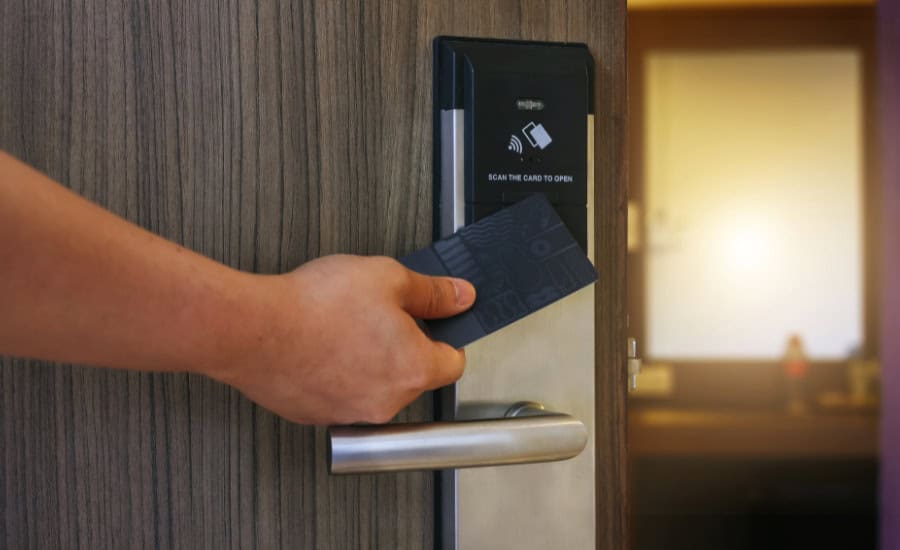
A specialist Camino agency handles the research, booking, and logistics for you. With Follow the Camino, for example, this typically includes:
- Hand-picked accommodation along your chosen route
- Luggage transfers between each stage (your bag travels ahead while you walk)
- Detailed self-guided walking notes for each day
- A dedicated trip planner who builds the itinerary around your fitness level, dates, and goals
- On-the-ground support if something goes wrong
You still walk every step yourself. You still earn the Compostela. But you do it without having to spend weeks researching before you go — or spending your evenings worrying about the next day’s logistics.
The Honest Pros and Cons
DIY Camino
Genuine advantages:
- Lower cost
- More flexibility — Depending on your bookings conditions, or if you are going along without bookings, you can change plans daily
- Deep immersion in the traditional pilgrim culture (communal dinners, albergue conversations)
- Strong sense of personal accomplishment from handling everything yourself
Real challenges:
- Popular routes in peak season (April–September) can mean full hotels and hostels, especially the last 100km before Santiago. You may end up with fewer or less appealing options.
- Planning takes time — route research, accommodation booking, understanding stage distances, choosing from so many options. In terms of guidance, there is a lot of opinion out there. Each is respectable and well intended but if you’d rather look after yourself, read a good book in the evening instead of plowing through the zillions of articles, forums etc to make your own opinion then…
- AI? Sure, AI can crawl through all of that content. But it is giving similar results as the request are similar “Build me an itinerary from Town A to Santiago”. It cannot make bookings for you
- If you have any issue along the way, fall ill, or need to change plans mid-walk, you’re sorting it out alone
- Self-catering or menu del día options may vary considerably in quality and availability
Camino with a Specialist Agency
Genuine advantages:
- No pre-trip planning stress — someone who has walked the routes and vetted the accommodation does it for you
- Luggage transfer means you walk with just a daypack (a genuine game-changer, especially after day 4)
- Private rooms in carefully selected hotels. We have long standing relationship with our suppliers and we usually get better rooms.
- Expert route-matching: an experienced trip planner helps you choose the right route and pace for your fitness and time available
- Support if things go wrong — a single call gets you help
Real challenges:
- Higher cost – no matter what accommodation level you choose – than DIY travel
- Less flexibility — accommodation is pre-booked, so lingering extra days requires changes
- You may miss some of the communal albergue culture that many pilgrims cherish
Head-to-Head Comparison
Factor
Cost
Planning time
Accommodation
Luggage
Flexibility
Support
Route expertise
Pilgrim community
Best for
DIY Camino
Lower (€8–30/night in albergues)
Significant (weeks of research)
Shared dormitories, first-come basis
You carry everything (8–10kg typical)
Very high (change plans daily)
You’re on your own on the Camino
Self-researched information
Social. Deep albergue culture
Experienced walkers, budget travelers, spontaneous types
Agency (FTC)
Higher (private accommodation)
Minimal (agency handles it)
Pre-booked private rooms
Transfers included — walk with a daypack
Moderate (pre-planned changes)
Agency available by phone/email
Expert guidance on route selection
Still social, but more independent
First-timers, time-constrained travelers, those wanting peace of mind

What Real Pilgrims Say
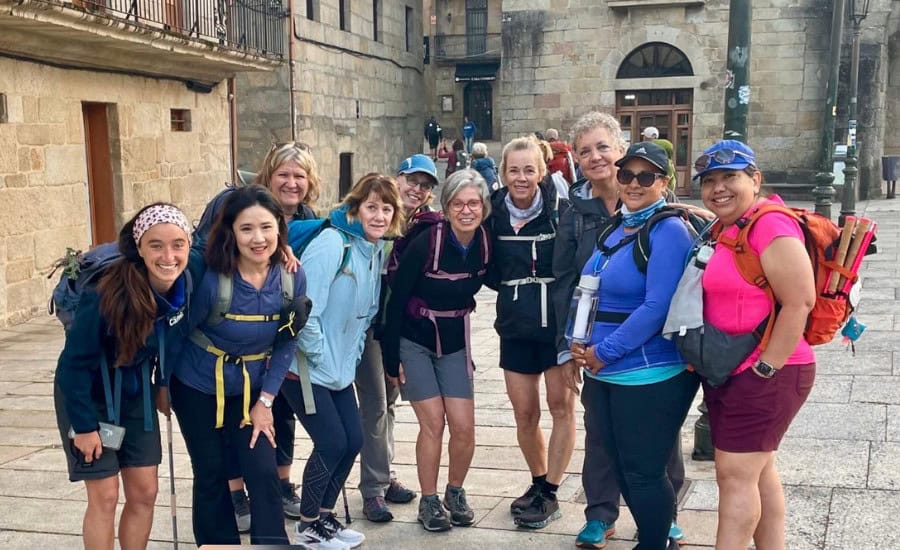
These aren’t cherry-picked highlights — they’re representative of what travellers consistently mention after walking with Follow the Camino.
On logistics and peace of mind:
Helen F. from Belfast walked the coastal route from Bilbao to Santander with her travel companion. In her Tripadvisor review, she noted that luggage transport ran smoothly throughout, the accommodation was of a very high standard, and the self-guiding directions were detailed and accurate — ultimately calling it a great experience she would highly recommend.
That’s exactly what an agency is supposed to deliver: the framework that lets you focus on the walk itself.
On honest expectations:
One particularly candid review came from a couple who walked the Portuguese route. They described their experience as going off “flawlessly,” noting that when the initial daily distances felt too long, the team quickly found alternative stopping points. Their bags were always waiting on arrival, and they were happy with all their accommodations. But they also offered a genuine tip for first-timers: book the meal plan and focus on the journey rather than stressing about where to eat each evening.
That kind of honesty matters. An agency can’t guarantee perfect conditions, but it can guarantee that someone is in your corner.
On following through on promises:
Thomas S., who walked from León to Santiago, gave Follow the Camino his highest recommendation — highlighting that planning was easy, everything went as promised, and this allowed him to focus entirely on putting one foot in front of the other. He also noted that accommodation varied well to suit each location, with more comfortable options in larger towns and more rustic rooms in smaller villages.
That balance — knowing what you’re getting without having every surprise removed — is the sweet spot a good Camino operator aims for.
The Luggage Transfer Question
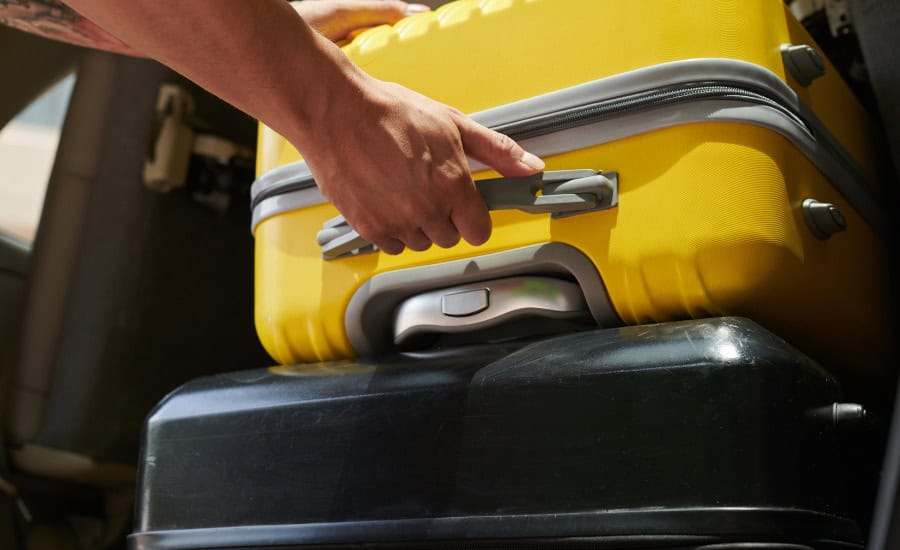
This deserves its own section because it’s the detail most people underestimate.
Walking 20–25km a day with an 8–10kg pack feels manageable on day one. By day five, especially after the climb over O Cebreiro on the Camino Francés, it feels very different. Luggage transfer is one of those services that sounds like a luxury until you’ve walked with a daypack and watched someone else struggle past you with a full rucksack.
Nearly every review of Follow the Camino mentions luggage transfers — and almost always positively. The Tripadvisor page for Follow the Camino highlights “luggage transfer” as one of the most talked-about aspects of the experience among reviewers.
For DIY pilgrims, luggage transfer services do exist on most popular routes, but arranging them independently — stage by stage, different providers, different collection times — adds another layer of logistics that many find more trouble than they anticipated.
Who Should Choose Which Path?
DIY is probably right for you if:
- You’ve walked long-distance routes before and are comfortable with logistics
- Budget is a primary concern
- You’re traveling alone and want to immerse in albergue culture
- You actively enjoy the unpredictability and freedom of unplanned travel
- You have time for several weeks of research before departure
A specialist agency is probably right for you if:
- This is your first Camino and the planning feels overwhelming
- You can afford it and value your own time and enjoyment over getting the cheapest price
- You have limited holiday time and can’t afford problems eating into your walking days
- You’re traveling with a partner, family member, or friend who has different needs
- You want to walk with a lighter pack and sleep well each night
- You’ve tried DIY before and want a different experience
A Note on What “Organised” Doesn’t Mean
One misconception about booking through an agency is that it turns the Camino into a packaged tour — a bus, a guide with a flag, a schedule. That’s not what a self-guided Camino package looks like.
At Follow The Camino, our mission is to make complicated holidays simple and leave pilgrims to enjoy the experience in their own way, with the peace of mind that logistics are handled by their expert team.
When you engage with our Camino Consultants, they will gauge your aptitude, wants, and specific requests, and build your itinerary based on that. Then, you still walk your own Camino, at your own pace, on your own terms. The agency just removes the noise so you can focus on the reason you came.

One last thing worth saying: plenty of people who book through an agency still end up sitting in a village bar at 6pm, sharing a bottle of wine with strangers they met on the path that morning. The logistics don’t isolate you from the Camino. They just get out of the way so it can actually happen.
Ready to start planning?
Follow the Camino has been organising Camino de Santiago trips since 2006, helping thousands of pilgrims from around the world walk, cycle, and experience the Way. From solo travellers to large groups, we offer self-guided packages across all major Camino routes. Browse our Camino tour packages or get in touch with our team for a free, no-obligation consultation.
Frequently Asked Questions
Does booking with an agency mean I don’t get a Compostela?
No. The Compostela is issued by the Pilgrim Office in Santiago based on your credential stamps, regardless of how you organised your trip.
Can I mix agency-organised stages with DIY stages?
Yes — a good agency can plan a partial route or build a hybrid itinerary.
What happens if I get injured mid-route?
With DIY, you’ll need to arrange transport, accommodation changes, and insurance claims yourself. With an agency, you have a support team to call.
Is the agency more expensive than doing it myself?
Yes, in most cases — but the calculation changes when you factor in the time spent researching, the cost of booking mistakes, and the value of walking with a lighter pack and sleeping well.