If you’re thinking about walking the Camino de Santiago, chances are you’ve already started searching for answers. Is it difficult? Do you need to be fit? Will you meet people, or will it feel lonely?
Before most pilgrims take their first step, they read.
Camino de Santiago books are more than just guides. They are often the bridge between curiosity and commitment. They give you practical clarity, but more importantly, they allow you to experience the journey through someone else’s eyes before you even arrive in Spain.
This guide brings together the best Camino books depending on where you are in your journey: planning, walking, or reflecting afterward.
Why Reading About the Camino Changes Everything
There is a moment when reading about the Camino stops being “research” and starts becoming something else. A pull, in a sense.
A good Camino book doesn’t just inform you. It answers the questions you’re not even sure how to ask yet: What happens when you slow down? What comes up when there is nothing left to distract you? Why do so many people say the Camino changes them?
Some books will help you plan. Others will unsettle you (in the best possible way). If you ask us, we’d say you need both.
Best Camino de Santiago Books for Planning Your Trip
When you’re in the early stages, clarity matters more than inspiration. You want to understand distances, routes, accommodation, and what your days will realistically look like.
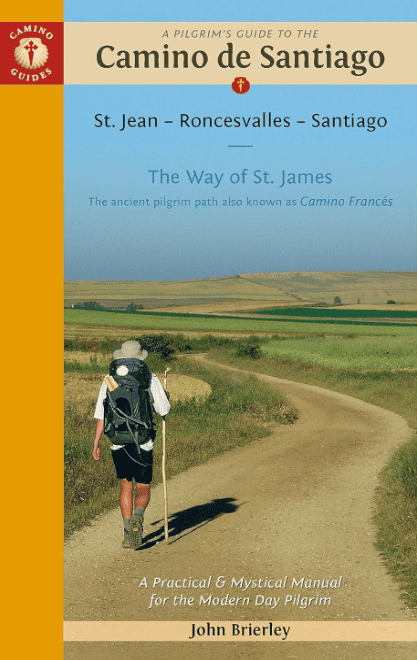
A Pilgrim’s Guide to the Camino de Santiago – John Brierley
This is, without question, the most widely used Camino guidebook. It has become almost a ritual object for many pilgrims, something they carry from their first day to their arrival in Santiago.
It offers detailed maps, daily stage breakdowns, accommodation options, and reflective insights that go beyond logistics. For first-time pilgrims especially, it provides a sense of structure that reduces uncertainty and builds confidence.
Tip: If you want to learn more about John Brierley, or if you’re in a more visual mood, you can watch our interview with him on YouTube.
Camino de Santiago: Village to Village Guide – Anna Dintaman & David Landis
For those who prefer a more modern and detailed approach, this guide offers a highly practical, no-nonsense perspective. It is particularly valued for its honest accommodation reviews and realistic daily planning.
Rather than romanticising the journey, it helps you see the Camino as it is: beautiful, yes, but also demanding and unpredictable.
Tip: If you plan your Camino with us, we’ll take care of all the logistics and choose the best accommodation for you!
Best Inspirational Camino Books (Real Stories That Make You Go)
This is where things shift. These are the books that move people from “maybe someday” to “I’m doing this.”
I’m Off Then – Hape Kerkeling
Written by a German comedian with no prior hiking experience, this book resonates because of its honesty. Kerkeling shares his doubts, physical struggles, and moments of connection with a tone that is both humorous and deeply human.
Many readers see themselves in his hesitation (and that is precisely what makes the decision to go feel possible).
The Camino: A Journey of the Spirit – Shirley MacLaine
This is one of the most well-known Camino books, especially for those drawn to the spiritual dimension of the pilgrimage. MacLaine’s journey blends personal reflection with a broader exploration of meaning, purpose, and inner transformation.
It’s not a practical guide, but it often sparks the kind of curiosity that leads people to start planning.
Walking the Camino – Tony Kevin
Tony Kevin offers a more grounded and reflective account of the Camino Francés. His writing brings together cultural insight, personal introspection, and a strong sense of place.
It’s an excellent choice if you want a deeper, more contemplative understanding of the journey without losing touch with its reality.
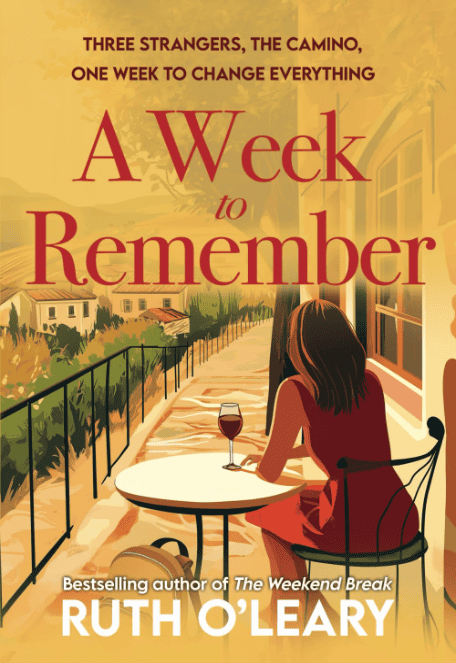
A Week to Remember – Ruth O’Leary
This more recent addition offers a fresh and relatable perspective, particularly for those who may feel that a full Camino is out of reach. Ruth O’Leary captures the experience of walking a shorter section of the Camino and shows that transformation is not measured in kilometres.
Her writing focuses on connection (both with others and with oneself) making it especially resonant for modern pilgrims balancing busy lives with the desire for something more meaningful. It’s a reminder that even a single week on the Camino can leave a lasting imprint, shifting priorities and opening space for reflection in a way that few other experiences can.
Best Books to Read During the Camino
While walking, your energy is limited and your attention is pulled toward the experience itself. The right book at this stage should complement the journey, not compete with it.
If you’re looking for some tips on bringing books on the Camino, check our blog article on the topic!
Buen Camino! Walk the Camino de Santiago with a Pilgrim’s Heart – Peter Murtagh
This book is designed for the rhythm of the Camino. Its short reflections can be read at the end of a long day, offering a moment to pause and process what you’ve experienced.
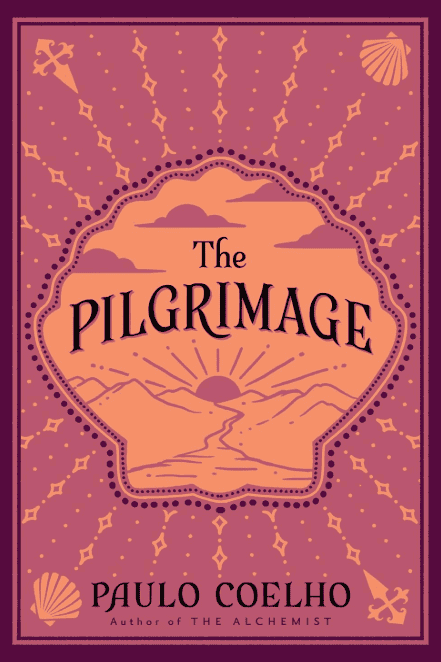
The Pilgrimage – Paulo Coelho
Part memoir, part allegory, this book explores the Camino through a symbolic and philosophical lens. It’s light enough to carry, but layered enough to provoke thought when you need it most.
Best Books to Read After the Camino
Finishing the Camino is not an ending, but a transition. Many pilgrims struggle to integrate the experience into daily life once they return home.
To the Field of Stars – Kevin A. Codd
This book is particularly powerful after the journey. Through a series of reflections, it helps articulate what many pilgrims feel but struggle to express.
It brings clarity to the emotional and spiritual impact of the Camino, making it easier to carry its lessons forward into everyday life.
Frequently Asked Questions About Camino de Santiago Books
What is the best book to read before walking the Camino de Santiago?
If your priority is practical planning, A Pilgrim’s Guide to the Camino de Santiago remains the most trusted option. If you’re looking for motivation, I’m Off Then is often the book that pushes people to take action.
Are Camino guidebooks still necessary?
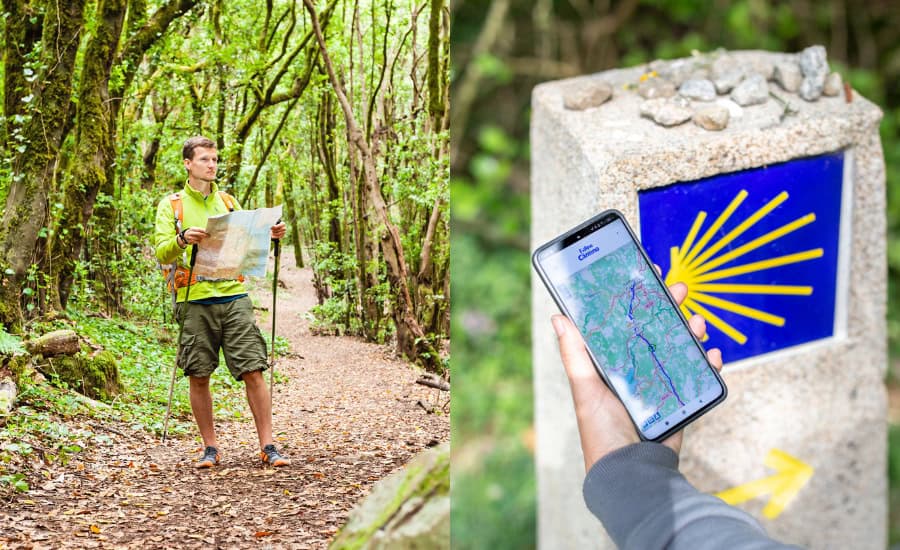
While many pilgrims now use apps, guidebooks still offer a level of depth and context that digital tools often lack. They help you understand the rhythm of the Camino, not just navigate it.
What should I read if I’m unsure about doing the Camino?
Personal stories are the most powerful starting point. Books like I’m Off Then or A Week to Remember reflect real doubts and real transformations, making the idea of walking the Camino feel accessible rather than overwhelming.
Are there spiritual books about the Camino de Santiago?
Yes, and they remain some of the most influential. The Camino by Shirley MacLaine and The Pilgrimage by Paulo Coelho both explore the deeper meaning behind the journey.
Can you read while walking the Camino?
You can—but most pilgrims find that their experience becomes the main focus. If you do bring a book, it’s best to choose something light and reflective rather than dense or demanding.
Final Thought: At Some Point, You Have to Stop Reading
Books will guide you, inspire you, and in some cases, challenge you.
But they are not the Camino.
There comes a point when gathering information becomes a way of delaying the decision. And the Camino doesn’t ask for perfect preparation—it asks for commitment.
You don’t need to have everything figured out.
You just need to begin.
Ready to Turn Inspiration into Action?
If you’re feeling that pull, it’s worth listening to it.
Explore our Camino routes and start planning your journey with the right support, so you can focus on what truly matters once you arrive: walking, connecting, and experiencing the Camino for yourself.
Buen Camino!