...

Last 100 km

Walk the Camino 6-8 days and arrive in Santiago

Congratulations! There are 7 different Camino tours that suit what you’re looking for

Reaching Santiago de Compostela is a moment many pilgrims remember for the rest of their lives. If walking an entire Camino route isn’t possible right now, there’s another wonderful way to experience the magic of the journey.

By completing the final 100km (62 miles) of an official Camino route, you’ll qualify to receive the Compostela, the certificate awarded to pilgrims who meet the required distance. It’s the perfect introduction to the Camino, allowing you to experience its unique atmosphere while fitting the adventure into a shorter holiday.

The best part? Your first Camino doesn’t have to be your last. Many pilgrims begin with the final 100km and return later to explore longer routes and new landscapes.

The Camino, in just a week

There are several beautiful Camino routes where you can walk the last 100km and finish your journey in Santiago de Compostela, each offering its own scenery, history, and unforgettable experiences.

What’s Included?

best value stamp follow the camino
  • Hand-picked accommodation
  • Luggage transfers every walking day
  • Detailed route notes & pilgrim credential
  • Start on any date that suits you
  • Live pre-departure briefing
  • Multiple routes: Francés, Portugués, Inglés, Norte…
  • Follow the Camino support team 7 days/week

Walk the Camino 6-8 days and arrive in Santiago

All of these sections cover between 100km and 128km (60 to 80 miles) with varying degrees of difficulty and give you a great feel for the region of Galicia, home of Santiago de Compostela.

Can you get the Compostela by walking only the last 100km of the Camino?

Yes. If you walk at least the final 100km (62 miles) of an official Camino de Santiago route, you are eligible to receive the Compostela, the certificate awarded by the Pilgrim’s Office in Santiago de Compostela.

To qualify, you’ll also need to carry a Pilgrim Passport (Credencial) and collect at least two stamps per day during the final 100km. Once you arrive in Santiago, you can present your passport at the Pilgrim’s Office to receive your Compostela.
Which is the best route for walking the last 100km of the Camino?

The best route depends on the experience you’re looking for. The last 100km of the Camino Francés, starting in Sarria, is the most popular option and offers a lively atmosphere with plenty of fellow pilgrims and services.

If you prefer quieter trails, the last 100km of the Camino Portugués from Tui or the Camino Portugués Coastal Route from Vigo combine beautiful scenery with a slightly less crowded experience. Each route finishes in Santiago de Compostela, so there’s no wrong choice—only the one that best matches your travel style.
How many days does it take to walk the last 100km of the Camino?

Most pilgrims complete the last 100km in 7 to 9 days, walking between 15 and 25km (9–15 miles) per day. This pace gives you enough time to enjoy the villages, local food, and landscapes without feeling rushed.

If you’re an experienced walker, you may finish in fewer days, while those looking for a more relaxed journey often spread the distance over a full week.
Is walking the last 100km of the Camino worth it?

Absolutely. Walking the last 100km gives you the opportunity to experience the spirit of the Camino, meet pilgrims from around the world, and arrive in Santiago on foot—a moment many describe as unforgettable.

While a longer Camino offers a deeper journey, the final 100km is an excellent introduction for first-time pilgrims or anyone with limited time. In fact, many people start with the last 100km and return later to complete longer sections or even an entire Camino route.
Tui to Santiago

Cross the Miño River and Earn Your Compostela on the Final 100 km

Starting from

856

This walking holiday explores the Camino Portugues, or Portuguese Way, of the iconic Camino. This route, the main option for the Camino de Santiago in Portugal, was used by Queen Isabel of Portugal in the 13th Century. It heads north following the Atlantic coast of Portugal and Spain. The Camino Portugues gently winds along ancient paths, running through woodlands, farmlands, vineyards and historic towns. Every day during the walk from Tui to Santiago you’re guaranteed scenic views and local gastronomic delights. This section requires a reasonable level of fitness. However, it’s a highly rewarding walk that includes numerous cultural highlights.

Stage 5 of 5

activity

117.7km

8 days

Comfort

Moderate

Moderate

Challenge

Jan
Feb
Mar
Apr
May
Jun
Jul
Aug
Sep
Oct
Nov
Dec
Popular Time
Good Time
Off/Low Season
Not Possible

Gentle terrain that gets gradually hillier as you approach Santiago de Compostela.

Starting from

800

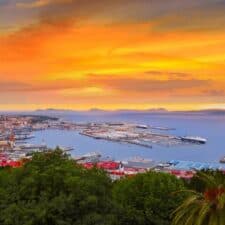
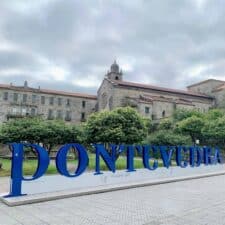
This section of the Camino Portuguese from Vigo to Santiago de Compostela is a great option for pilgrims looking for a shorter Camino experience while still enjoying the essence of the route. Starting in the vibrant city of Vigo, the trail heads inland to Redondela, where it joins the traditional Camino Portuguese. From there, you’ll pass through welcoming towns like Pontevedra, famous for its charming old town and pilgrim-friendly atmosphere, before continuing through the green Galician countryside towards Santiago. Along the way, you can enjoy some of Galicia’s most famous flavours, including fresh seafood and oysters in Vigo, pimientos de Padrón, and the local Albariño wine, before reaching the impressive Cathedral of Santiago de Compostela.

Stage 2 of 2

activity

100km

7 days

Comfort

Moderate

Moderate

Challenge

Jan
Feb
Mar
Apr
May
Jun
Jul
Aug
Sep
Oct
Nov
Dec
Popular Time
Good Time
Off/Low Season
Not Possible

Oia to Santiago

Magnificent coastline blending into traditional inland path or rural Spain - Objective Santiago

Starting from

889

This second section from Oia to Santiago de Compostela takes you along the coast around to the Vigo estuary. You will get the opportunity to stay in the beautiful coastal cities of Baiona and Vigo before rejoining the traditional Camino Portugues from Redondela to Santiago de Compostela. This part of Portugal's Camino de Santiago coastal route​ is known for its seafood, in particular its oysters and scallops. Wash it down with the local Albarino wine for a true gastronomic delight.

Stage 2 of 2

activity

143.1km

8 days

Comfort

Moderate

Moderate

Challenge

Jan
Feb
Mar
Apr
May
Jun
Jul
Aug
Sep
Oct
Nov
Dec
Popular Time
Good Time
Off/Low Season
Not Possible

Following the coastline for the first few days you then move inland to follow the traditional route to Santiago from Redondela.

Sarria to Santiago

The Last 100km: The final and most iconic stretch of the Camino Frances.

Starting from

730

For those who are short on time, but still want to experience the beauty of completing the Camino, you can walk from Sarria to Santiago de Compostela through the beautiful hilly landscapes of Galicia in just 5 days. You will still receive your certificate of completion, or Compostela, upon arrival at Santiago Cathedral. Take an extra day or 2 to experience the magical city sights at the end. The final stage of the famous Camino Frances (or French Way) is the most popular Camino package.

Stage 8 of 8

activity

113.5km

7 days

Comfort

Moderate

Moderate

Challenge

Jan
Feb
Mar
Apr
May
Jun
Jul
Aug
Sep
Oct
Nov
Dec
Popular Time
Good Time
Off/Low Season
Not Possible

Most popular section of the Camino, hilly with many shaded sections. Guaranteed to meet people.

Ferrol to Santiago

Sailors’ Camino Through Galicia’s Soul

Starting from

832

Traditionally, English and Irish pilgrims arrived by sea at the port towns of northern Galicia. The English Way starts by following the rugged hilly coastline, then moves inland to the lush, wooded countryside. Passing through the mediaeval village of Betanzos is like travelling back in time with its hill-perched marketplace. It is quieter than other routes so for those trying to get away from the more popular French Way, the Camino Ingles presents a great alternative to get from Ferrol to Santiago de Compostela (or A Coruna to Santiago) and receive your pilgrim certificate within a week.

Stage 1 of 1

activity

114.5km

7 days

Comfort

Moderate

Moderate

Challenge

Jan
Feb
Mar
Apr
May
Jun
Jul
Aug
Sep
Oct
Nov
Dec
Popular Time
Good Time
Off/Low Season
Not Possible

Starting on the coastline this walk is predominantly uphill on quiet country roads and through forests.

Lugo to Santiago

From Lugo’s Roman fortifications to Santiago’s spiritual heart

Starting from

785

Beginning in the walled Galician city of Lugo, this section of the Camino Primitivo meets the Camino Frances in Melide, where both routes then finishes in Santiago de Compostela. You will walk through heavily forested rural Galicia, witnessing the Roman influence on Spain’s roads and bridges. You will also experience the culture typical in the north-west of Spain, before finishing your trip in the iconic city of Santiago.

Stage 2 of 2

activity

98.8km

7 days

Comfort

Moderate

Moderate

Challenge

Jan
Feb
Mar
Apr
May
Jun
Jul
Aug
Sep
Oct
Nov
Dec
Popular Time
Good Time
Off/Low Season
Not Possible

Coming down for the Cantabrian Mountain range the terrain is hilly as you join the Camino Frances in Melide.

Ourense to Santiago De Compostela

Walk the final stretch of Via de la Plata, steeped in tradition.

Starting from

751

Starting in Ourense and reaching the city of Santiago de Compostela, this section of the Camino runs through both farmland and the green low mountains of Galicia. As you approach the final destination of the Way of Saint James you can feel the buzz and appeal it has created over the centuries, as the rich heritage evidenced in the chapels, crosses, and statues linked to the Camino can be seen every day during the walk to you final stop.

Stage 10 of 10

activity

108km

7 days

Comfort

Moderate

Moderate

Challenge

Jan
Feb
Mar
Apr
May
Jun
Jul
Aug
Sep
Oct
Nov
Dec
Popular Time
Good Time
Off/Low Season
Not Possible

Monforte de Lemos to Santiago

From Monforte to Santiago: A Journey with History

Starting from

726

Welcome to the remarkable Last 100km of the Camino de Invierno, leading pilgrims from the picturesque town of Monforte de Lemos, known as the capital of the Ribeira Sacra wine-making region, to the sacred destination of Santiago de Compostela. Immerse yourself in the beauty of the Ribeira Sacra region, where natural landscapes harmonise with a rich tapestry of archaeological wonders. Here, pilgrims can marvel at an extraordinary collection of Romanesque religious buildings, making it the epitome of Europe's Romanesque heritage. Upon completing the Last 100km of the Camino de Invierno, you will be eligible to receive your Camino Pilgrim Certificate at the prestigious Pilgrim Office in Santiago.

Stage 2 of 2

activity

136.3km

8 days

Comfort

Moderate

Moderate

Challenge

Jan
Feb
Mar
Apr
May
Jun
Jul
Aug
Sep
Oct
Nov
Dec
Popular Time
Good Time
Off/Low Season
Not Possible

Search
Blog
Enquire Now
Saved
Log in